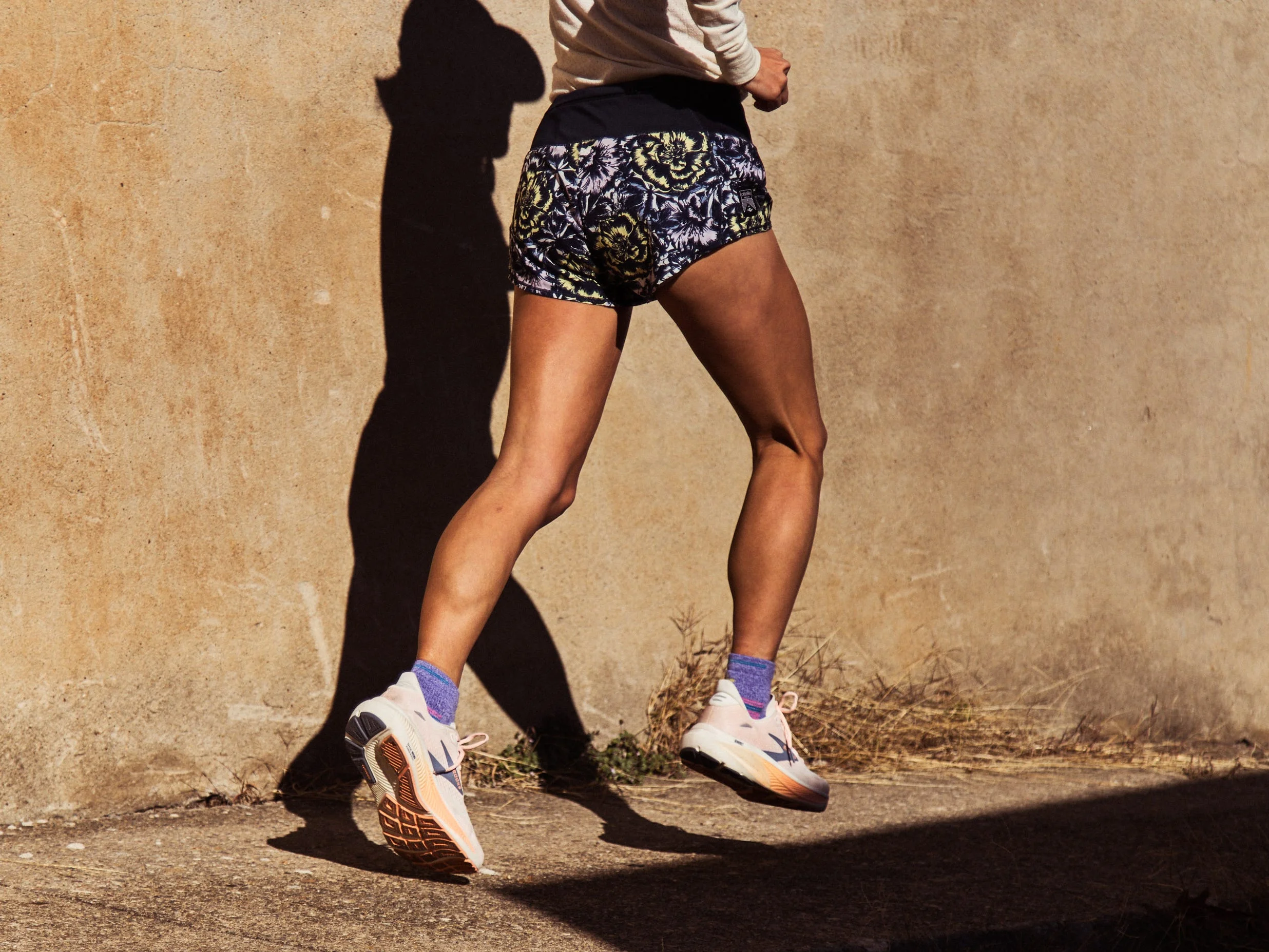
Brooks Ghost 18 vs. Glycerin 23: Why Fit Decided the Winner
If you're helping a new runner pick a first pair, the Brooks Ghost has long been the shoe to name. It isn't flashy, and that's the point. When someone is staring at a wall of options, the Ghost gives them a sensible place to start.
Its appeal rests on three things. If you don't know your pronation yet, a neutral shoe is the safe bet, and the Ghost is a classic example. Its cushioning sits in the middle, neither too firm nor too soft, which is why people call it Goldilocks. And then there's fit. A comfortable shoe solves most of a beginner's problems, and the Ghost has a reputation for getting that right. It's been a fixture of the traditional runner starter pack for good reason.
A Default That Wobbled
This year the Ghost is harder to recommend without a qualifier. The Ghost 18 hit the market in May, and our testers had already logged a few weeks in it before reaching a conclusion. The verdict was mixed. Not a dud, but not the easy yes the line has earned over the years.
That matters more than it sounds. The Ghost's whole value is predictability. Beginners trust it because it doesn't surprise them. When a reliable default starts to wobble, the people who depend on it notice first, and they're the ones who can least afford a bad guess on their first serious shoe.
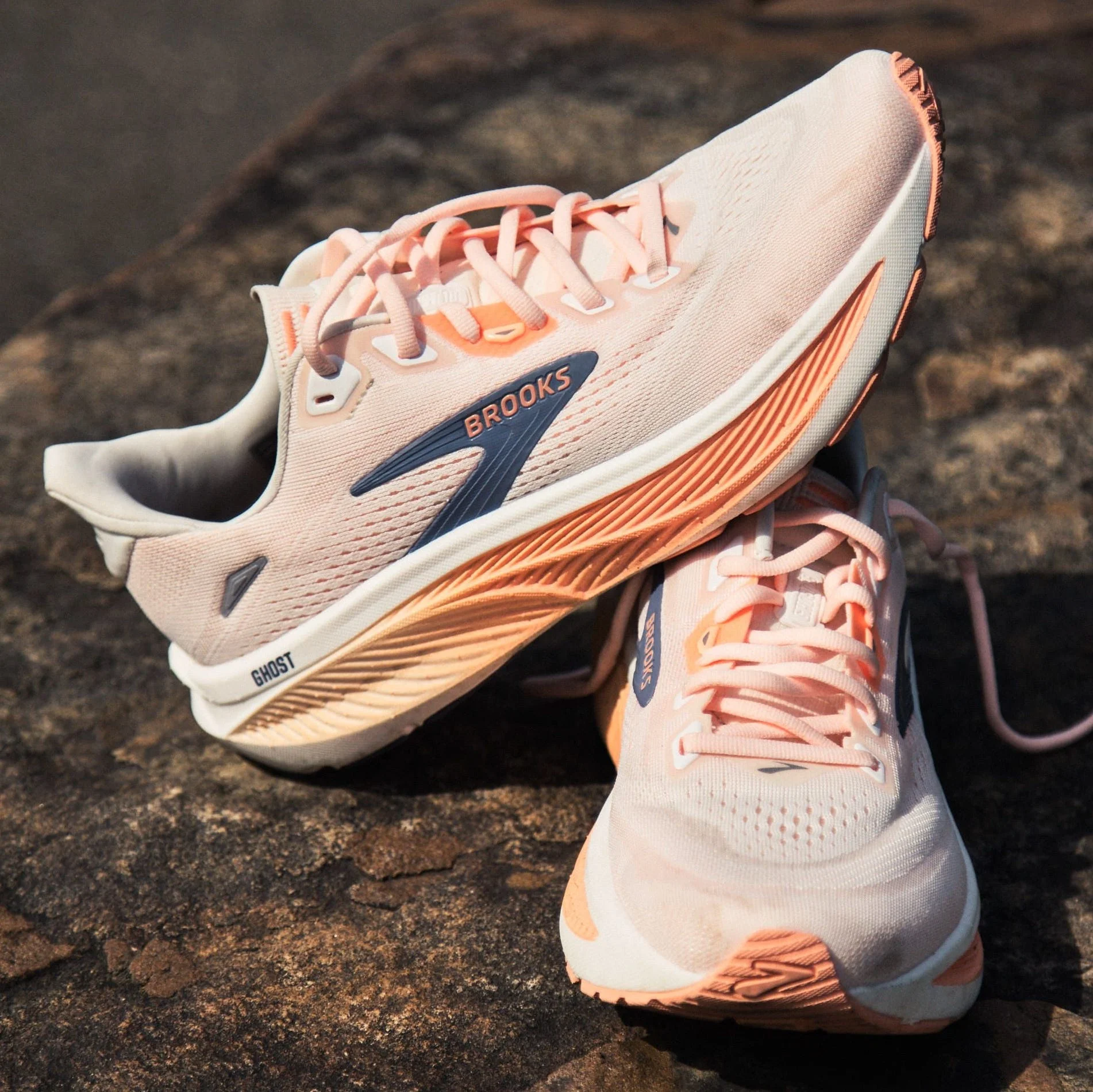
Here's the thing: if you're shopping now, the shoe is still a reasonable starting point. Just don't assume the name carries the same automatic confidence it once did. Try it on, walk around the store, and judge the fit yourself. The Ghost 18 is listed at $150 on Brooks Running's site, where it's sold as a tried-and-true everyday trainer.
Six months after our first run in the Ghost 18, the Brooks Glycerin 23 has pulled ahead. The cushier model, a sibling in the same lineup, has drawn more popularity and more positive feedback from testers. The reason isn't mysterious. It came down to fit.Where the Ghost 18 Lost the Fit Test
We score running shoes on weight, flexibility, and durability, and the numbers mostly line up between these two. The Glycerin 23 comes in a bit heavier on average, by tenths of an ounce, which is hardly a deal-breaker. Everything else sits close together, with one exception: comfort. The Glycerin 23 earned high marks across the board. The Ghost 18 split the room. Men rated its comfort highly, while women rated it very low. The word that kept coming up in women's notes was "crammed." Glycerin 23 tester Maura Dalek put it plainly: "I had no cramming of my toes. My feet had plenty of room to move around in and kept my feet dry and cool."