How to Build a Sustainable Run/Walk Training Routine
Run/walk training depends on the habits between workouts
The run/walk method can make goals such as improving fitness, completing a first race, or setting a personal record feel more within reach across a range of experience levels. But choosing your run and walk paces is only part of the work. You’ll also need a routine you can sustain, with recovery, strength training, and fueling built into the plan. A useful starting point is to [set run/walk paces with the Magic Mile](https://www.runnersworld.com/training/a74108433/run-walk-program-magic-mile/), [track your intervals](https://www.runnersworld.com/training/a74136867/run-walk-program-track-intervals/), and follow a plan toward a [5K or 10K](https://www.runnersworld.com/training/a74230422/run-walk-program-5k-10k/). The less obvious challenge is keeping the routine going after the initial excitement fades. That’s where consistent training and sensible recovery matter. [How to Master the Run/Walk Method](https://www.runnersworld.com/training/a65059887/run-walk-program/) lays out practical guidance for sticking with workouts, protecting your health, and making training enjoyable. It covers ways to stay consistent, prioritize recovery, add strength work, and build a fueling strategy that supports your training. The numbers here are underwhelming in one sense: there’s no shortcut promised. The payoff comes from repeating manageable habits over time.What you’ll learn
This guide focuses on four parts of a sustainable run/walk routine: - How to keep showing up for workouts - Recovery strategies to use during training - Why strength training supports a lasting routine - How to plan fueling around your trainingWatch the video
 > “Using the run/walk method has enabled me to run for 20 years and to complete marathons like New York, Chicago. Without run/walk, I probably wouldn’t have even tried to do it.”
> — Cheryl Munn, run/walker
More on the run/walk method
- [Improve Your Pace and Recovery](https://www.runnersworld.com/training/a74108300/run-walk-program-improve-pace-recovery/) - [Using the Magic Mile](https://www.runnersworld.com/training/a74108433/run-walk-program-magic-mile/)
 - [Tracking Your Intervals](https://www.runnersworld.com/training/a74136867/run-walk-program-track-intervals/)
 - [Train for a 5K and 10K](https://www.runnersworld.com/training/a74230422/run-walk-program-5k-10k/)
 - [Train for a Half Marathon](https://www.runnersworld.com/training/a74230567/run-walk-program-half-marathon/)
 - [Train for a Marathon](https://www.runnersworld.com/training/a74230580/run-walk-program-marathon/)

Go deeper: principles for lasting progress
Progress depends on training often enough to maintain momentum while giving your body room to adapt. Keep these principles in view as your routine develops.1. Make consistency the goal
Regular workouts help you build fitness and hold on to the progress you’ve made, even when you aren’t preparing for a race. That doesn’t mean staying in race-training mode all year. A [maintenance plan](https://www.runnersworld.com/training/a69414471/maintenance-training-plan/) can give your off-season workouts structure, while a [four-week run/walk maintenance plan](https://www.runnersworld.com/training/a64623808/run-walk-maintenance-plan/) can help keep you prepared for the next training cycle.2. Give recovery a place in the plan
Run/walk [training plans](https://www.runnersworld.com/training/a30911910/download-your-runners-world-training-plan/) include a weekly rest day because adaptation takes time. Schedule recovery after harder sessions and long runs, and leave a few minutes for habits such as stretching or [foam rolling](https://www.runnersworld.com/gear/a71185791/amazon-running-recovery-tools/). Sleep belongs in that plan, too. It supports muscle and tissue repair, immune function, and injury prevention, among other benefits. If you’re working toward more consistent training, treating sleep as optional makes the rest of the routine harder to sustain.3. Keep strength training in the mix
Running mileage matters, but strength work can help build stronger muscles, support joints, add force to your stride, and improve resilience. The recommendation is to include [strength training](https://www.runnersworld.com/training/a64478649/strength-training-guide-for-runners/) one to three times a week. You can schedule more strength sessions early in a training block. As mileage and workout intensity rise, reduce the frequency to match the demands of the running plan.Fuel the work, then make it social
As your runs get longer, food and fluids become part of the training plan. More activity means your body needs more calories, so build meals around whole foods, grains, fruit, vegetables, and lean protein. Keep up your hydration through the day and during workouts, using water and electrolytes to replace fluids. For guidance on shaping a runner’s diet and hydration, start with the basics and adjust to the demands of your training.
Plan your food around the effort, too. Eat carbohydrates before a long run, then have a mix of carbohydrates and protein afterward. If you’ll be out for more than 60 minutes, carry fuel such as gels, gummies, electrolytes, or a sports drink. The Guide to Nutrition and Fueling covers hydration, fuel during a run, and race day eating, with advice from industry experts.
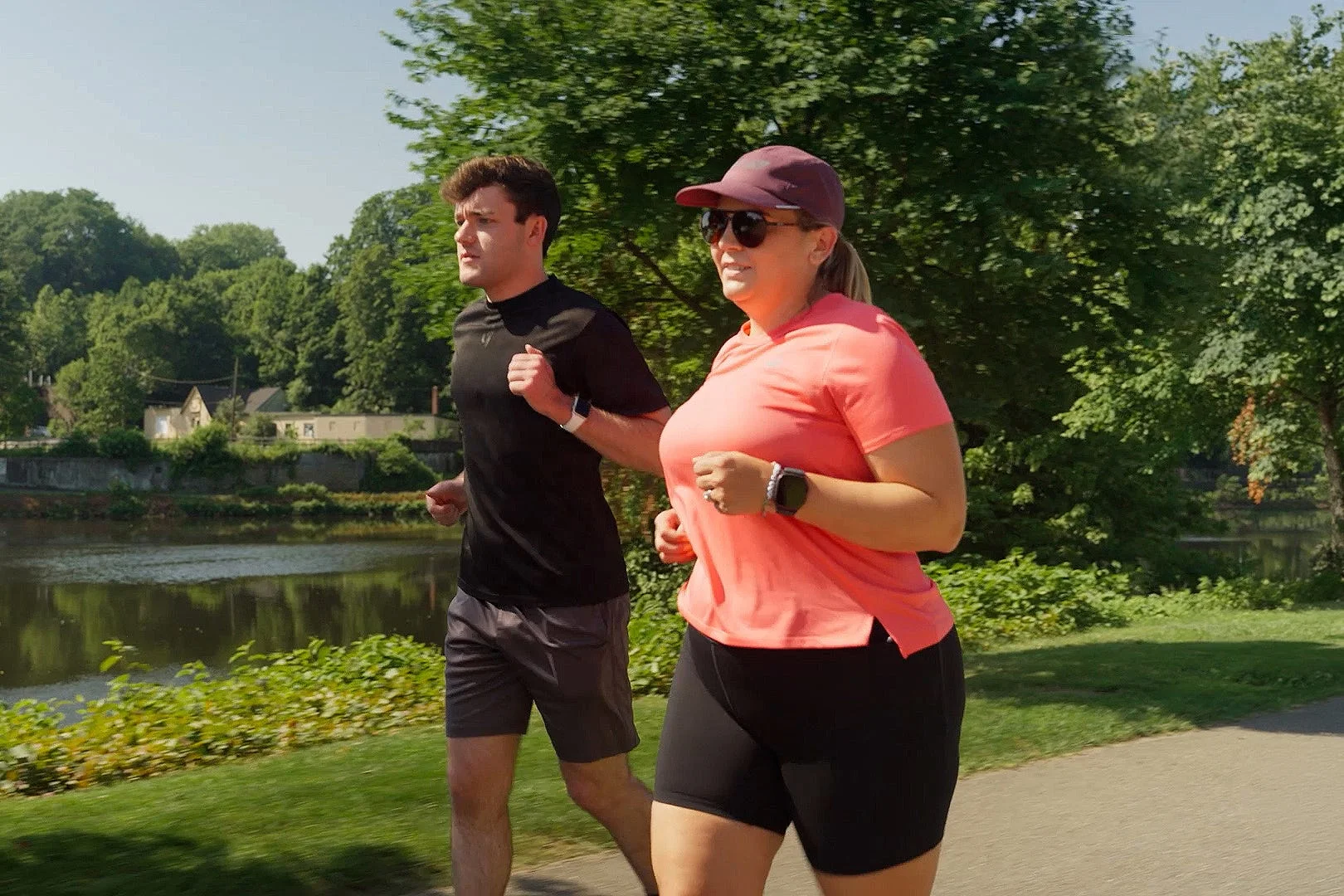
Nutrition can help you sustain the miles; other runners can help you keep showing up. Running may be a solo sport, but it doesn’t have to feel solitary. A run club, virtual run/walk group, or training partner can add accountability and make the routine more enjoyable. Experienced run/walker Cheryl Munn puts it plainly: “The fact of the matter is running is a lot more fun when you’re doing it with other people. I don’t think that I would’ve kept at it if I hadn’t joined a local running group.”

The point is simple: a sustainable running habit needs more than a schedule. Feed the work, find people who make it easier to return, and your miles have a better chance of becoming part of your life.