Choosing Running Shoes: How to Match the Right Pair to Your Goals and Fit
|
5 min read
Adidas just knocked 20% off the Adizero Evo SL, and that's the most useful thing in this guide if you're shopping right now. It's also our favorite speedwork shoe, so it earns a spot near the top. The Adizero Adios Pro 5 ($275) joins it. Our testers say it's even snappier than the Pro 4, which makes it a strong pick for runners chasing pace.
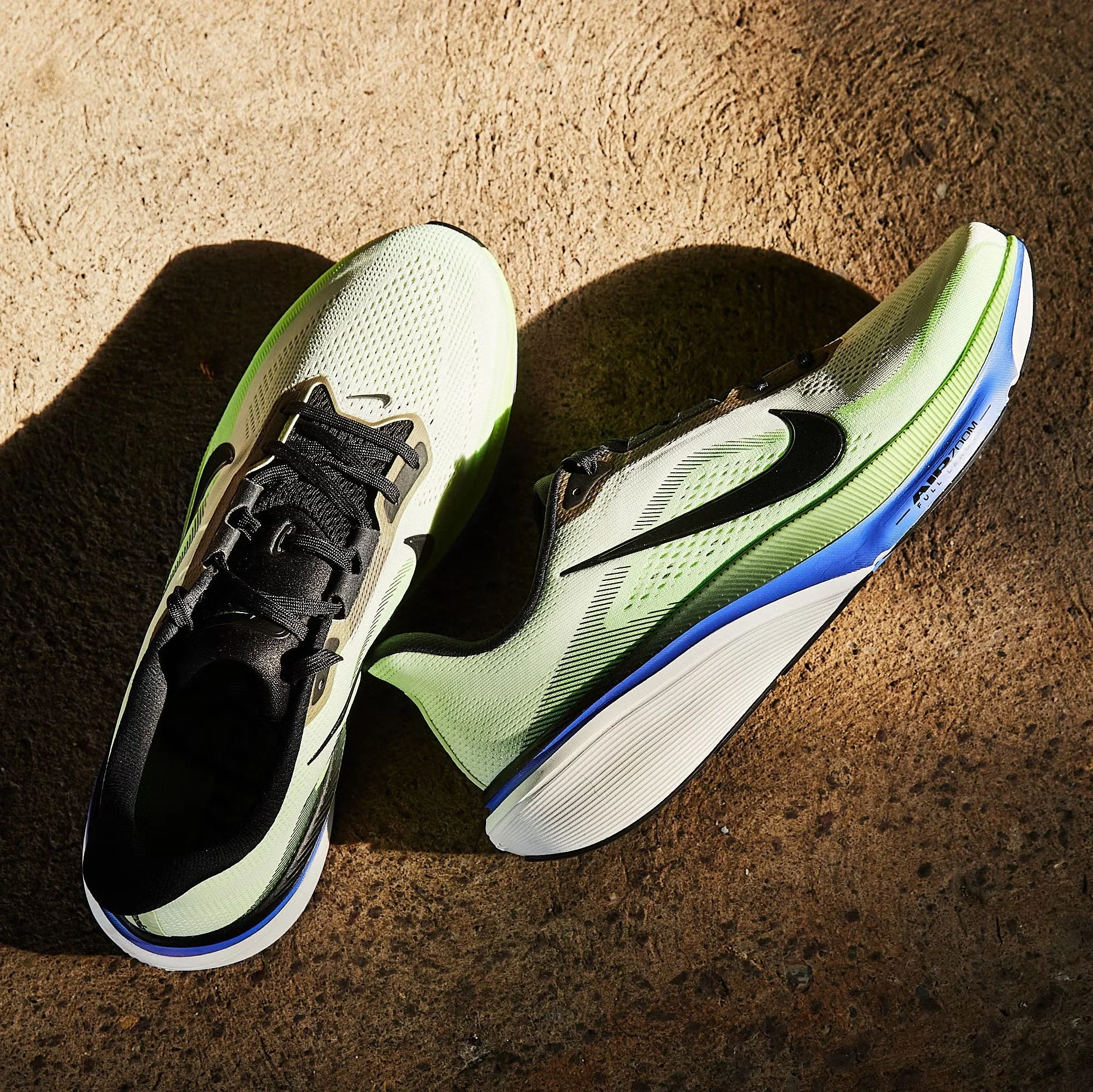 Credit: Trevor Raab
The biggest change is the cushioning. A full-length Air Zoom unit replaces the setup that came before, and it gives the shoe more energy return. That matters because the Peg 41 wasn't bad. Its ride was just a little flat, and testers felt it. Nike clearly heard that, and the 42 has more rebound to show for it.
There's no single best running shoe
Every new runner asks which shoe is the best. The honest answer is that no trainer beats every other one across the board. The right choice depends on who you are and what you're training for, so I start with the runner, not the shoe. Maybe you've signed up for your first [5K](https://www.runnersworld.com/5k-training/), or you're an experienced runner building toward your first [marathon](https://www.runnersworld.com/marathon-training/). Maybe you're [trying to get faster](https://www.runnersworld.com/gear/g44064559/best-carbon-plate-shoes/), or you just want a new pair to start [run/walking](https://www.runnersworld.com/gear/a23554492/walking-shoes/). Surfaces and support needs shift the picture too, from [trail](https://www.runnersworld.com/gear/a22115120/best-trail-running-shoes/) to road and from neutral to [stability](https://www.runnersworld.com/gear/a20865766/best-stability-running-shoes/). Beginner or veteran, there's a shoe for nearly everyone. The trick is finding yours.The men's-default problem
Men have a built-in advantage here. Most running shoe models are designed around men's feet by default. Even unisex racing shoes often fit runners with narrower ankles, typically [women](https://www.runnersworld.com/gear/a25578469/best-running-shoes-for-women/), less comfortably. Many of those runners reach for a workaround like the [heel lock lacing technique](https://www.tiktok.com/@runnersworldmag/video/7369221939954601262) to cinch the fit, because the shoes were built on a men's last with a wider collar. That's a useful hack, but it's not a substitute for measuring properly. Before you shop, use our [guide to help you find your approximate size](https://www.runnersworld.com/uk/gear/shoes/a45585002/how-to-measure-your-feet/). Width matters as much as length, so check out our picks for [wide toebox running shoes](https://www.runnersworld.com/gear/g39135738/best-wide-toebox-running-shoes/) if your feet need extra room. And decide what the shoe is for. A grippy, durable trail shoe and a lightweight trainer for tempo runs are different tools, and buying one for the other's job is the fastest way to end up with a shoe you hate.How to use this guide
What follows is our top 10 running shoes for men, along with the features worth weighing for each. Start with the quick-glance breakdown: match your situation to a recommendation, then read the full review to see whether the fit and feel hold up for you.## Matching the Shoe to the Job This lineup doesn't crown a single winner. It sorts shoes by what you're asking them to do, which is the more useful way to shop. A shoe that's ideal for marathon training can be wrong for someone three weeks into running, and the picks here reflect that. Start with the everyday options. The [Nike Pegasus 42](https://www.nike.com/t/pegasus-42-mens-road-running-shoes-S1bYkOza/IB1873-108) at $145 is the daily trainer, the one you'd reach for on most mornings. If you're logging serious miles, the [New Balance Ellipse](https://www.newbalance.com/pd/ellipse/MELPSV1_RU-FTW-802882.html) is pitched as the high-mileage option, also at $145. Two shoes at the same price doing different jobs tells you something about how this category has sorted itself into tiers. Newer runners get the [Brooks Ghost 18](https://www.brooksrunning.com/en_us/mens/shoes/road-running-shoes/ghost-18/110493.html) at $150. For speedwork, the [Adidas Adizero Evo SL](https://www.adidas.com/us/adizero-evo-sl-shoes/JH6206.html) takes the slot, also at $150. If you mostly walk and run a little, the [On Cloudmonster 3](https://www.on.com/en-us/products/cloudmonster-3-m-3mg1005/mens/brook-flurry-shoes-3MG10055256) is the call, but at $190 it's the priciest of the everyday picks. That premium needs a real test to justify it, and the list doesn't offer one. Support needs get more specific. Overpronators are steered to the [Saucony Guide 19](https://www.saucony.com/en/guide-19/195021638520.html) at $150. The [Saucony Triumph 24](https://www.saucony.com/en/triumph-24/61229M.html) at $170 is labeled for injury-prone runners, which is a blunt category. The list doesn't explain what in the shoe addresses that, and if you're managing a recurring injury, a clinician's read beats a label. Runners who need more room go to the [Hoka Clifton 11](https://www.hoka.com/en/us/mens-everyday-running-gear/clifton-11/1176572.html) at $155. On the performance end, the [Adidas Adizero Adios Pro 5](https://www.adidas.com/us/adizero-adios-pro-5-shoes/KJ7039.html) is the marathon racer at $275. It's the most expensive pick on the list by a wide margin, and it only makes sense if you're racing, not training. For trails, the [Altra Experience Wild 3](https://www.altrarunning.com/en-us/products/mens-experience-wild-3-al0a85u6) covers the off-road case. ## How the Picks Were Chosen The selections come from feedback from the men on the editorial team, combined with the *Runner's World* wear-tester program. That's a sensible foundation, though testers with their own builds and stride patterns won't match every reader's experience. Treat these as informed starting points, not guarantees. Two practical caveats. Retailer prices and stock move constantly, and a given pick may not come in your size or color. The editors say they update links often, but check the retailer before you commit. Also, several of these links are affiliate links, so the publication can earn a commission if you buy. That doesn't invalidate the picks, but it's worth knowing when you're weighing them. ## Full Reviews The product card tagged "Best Overall" anchors the detailed reviews that follow. If you're short on time, that's the place to begin, then work backward to the use-case pick that matches your running.The Peg is back, and it's better
Nike's Pegasus has always been the safe pick, the shoe you buy when you don't want to think too hard about it. The 42 is the first version in a while that makes you want to think about it, because it's noticeably quicker underfoot. Our testers said so plainly, and one put it this way: "the design leans into speed."Credit: Trevor Raab
The biggest change is the cushioning. A full-length Air Zoom unit replaces the setup that came before, and it gives the shoe more energy return. That matters because the Peg 41 wasn't bad. Its ride was just a little flat, and testers felt it. Nike clearly heard that, and the 42 has more rebound to show for it.