Jess McClain’s Comeback: Finding Balance and Breaking the Boston Marathon Course Record
Jess McClain’s running career took off when she stopped treating running as her whole identity. That reset helped her return to racing with more balance—and, eventually, to some of the biggest results of her career. The change didn’t come from a new training trick or a sudden breakthrough. It came from changing the role the sport played in her life.
McClain grew up racing 5Ks and 10Ks in Arizona, then became a seven-time NCAA Division I All-American at Stanford. She turned professional in 2015 and signed with Brooks. The transition brought a sharp change in how she approached the sport. In school, she says, running shared space with friends, clubs, football games, and other interests. As a pro, she tried to make it everything. That shift can be easy to miss: the activity stayed the same, but the expectations around it changed.
“I’m not one-dimensional,” McClain says. “It’s really hard for me not to have other buckets to pour myself into.” Her description points to a tension many athletes face when a passion becomes a job: the structure that supports performance can also crowd out the rest of life. For McClain, making room for other interests wasn’t a retreat from ambition. It was a way to make the sport sustainable.
Finding a life beyond running
At the time, McClain felt she had to “live, train, breathe, eat, and sleep” running to succeed. The all-in approach instead brought recurring injuries and burnout. In 2018, she parted ways with Brooks and moved back to Phoenix to live with her parents. She was 26. The details are plain, but the decision marked a major break from the idea that a professional athlete must organize every part of life around performance.
The next few years gave her room to reset. McClain took a full-time marketing job and got married, and began to untangle her identity from competition. She’d been racing since she was 12; stepping away helped her figure out who she was outside the sport. That distance also gave her a different point of comparison: running could be something she chose to return to, rather than the only measure of whether she was succeeding.
She started thinking about a comeback just as the pandemic shut down racing. Then, in 2022, shortly before turning 30, she entered the Mesa Marathon on a whim. With only six weeks of preparation, she ran her first 26.2 miles in 2:33:34. The result was a striking introduction to the distance, but the more revealing detail is how casually the opportunity began. A marathon can demand a highly controlled build; McClain’s first one came from curiosity and a short window to prepare.
That result opened a new chapter. McClain qualified for the 2024 Olympic Marathon Trials and finished fourth. She placed in the top 10 at both the 2024 New York City Marathon and the 2025 Boston Marathon. At the 2026 Boston Marathon, she set the American course record in 2:20:49. The progression shows how quickly her marathon results gathered weight, though it doesn’t erase the years of racing and training that came before her first 26.2-mile effort.
McClain has since returned to Brooks. She says racing is fun again, and she can make room for other parts of life too. “It took a minute to find my recipe, but I did.” Her phrase suggests a personal balance rather than a formula other runners can copy. That distinction matters: what helped her was figuring out what she could sustain, not simply adding more hours or more intensity.
A playlist built for the run
Music has been part of that renewed enjoyment since McClain’s early running days, back when she carried a clunky MP3 player and used headphones that could make the audio crackle if they shifted. These days, she listens to music and podcasts on easy or solo runs. During some track workouts, she tucks her phone into the back of her sports bra and plays music aloud for an extra lift. The habit changes with the session: quiet company for a solo run, a shared soundtrack when a workout calls for more energy.
Her tastes range from Taylor Swift—McClain calls herself a Swiftie, and says their shared age makes the music nostalgic—to the teenage angst of ’90s alternative punk. She’s also been listening to Taking Back Sunday, My Chemical Romance, Matchbox Twenty, and Papa Roach. The mix spans moods and eras, which seems to suit a runner who’s resisted the idea that one interest has to define her whole life.
Runner’s World asked McClain to put together a running playlist. Taylor Swift is in the mix, alongside blink-182, Hoodie Allen, and The Veronicas. The playlist’s range makes sense for a runner who found her way back by making room for more than one interest. It’s also a reminder that a running soundtrack doesn’t need to follow one tempo or mood to belong in the same workout.
Looking for more music to carry you through a run? Browse Runner’s World’s playlists for every pace and distance. You can choose a mix that fits the run you’re planning, whether you want company on an easy day or a lift during a harder session. If you’re working in this space, the useful question isn’t whether music makes every run better; it’s what kind of company helps you stay present for the one in front of you.
What McClain’s reset suggests
This is more significant than it looks. McClain’s story doesn’t argue that stepping away will lead every runner to faster times; her results are her own, and the article offers no universal training prescription. It does show that a professional career can change when an athlete stops treating total commitment as the only credible form of commitment. That’s a useful counterpoint in a sport where discipline is often described as an all-or-nothing trait.
And yet. Her return still required a willingness to race, prepare, and compete at a high level. The difference, as she describes it, is that running now sits alongside other parts of her life. For runners facing burnout, that idea may be more useful than a tidy comeback narrative: stepping back can create room to decide what you want from the sport. The answer won’t look the same for everyone.
Find a running playlist
Jess McClain
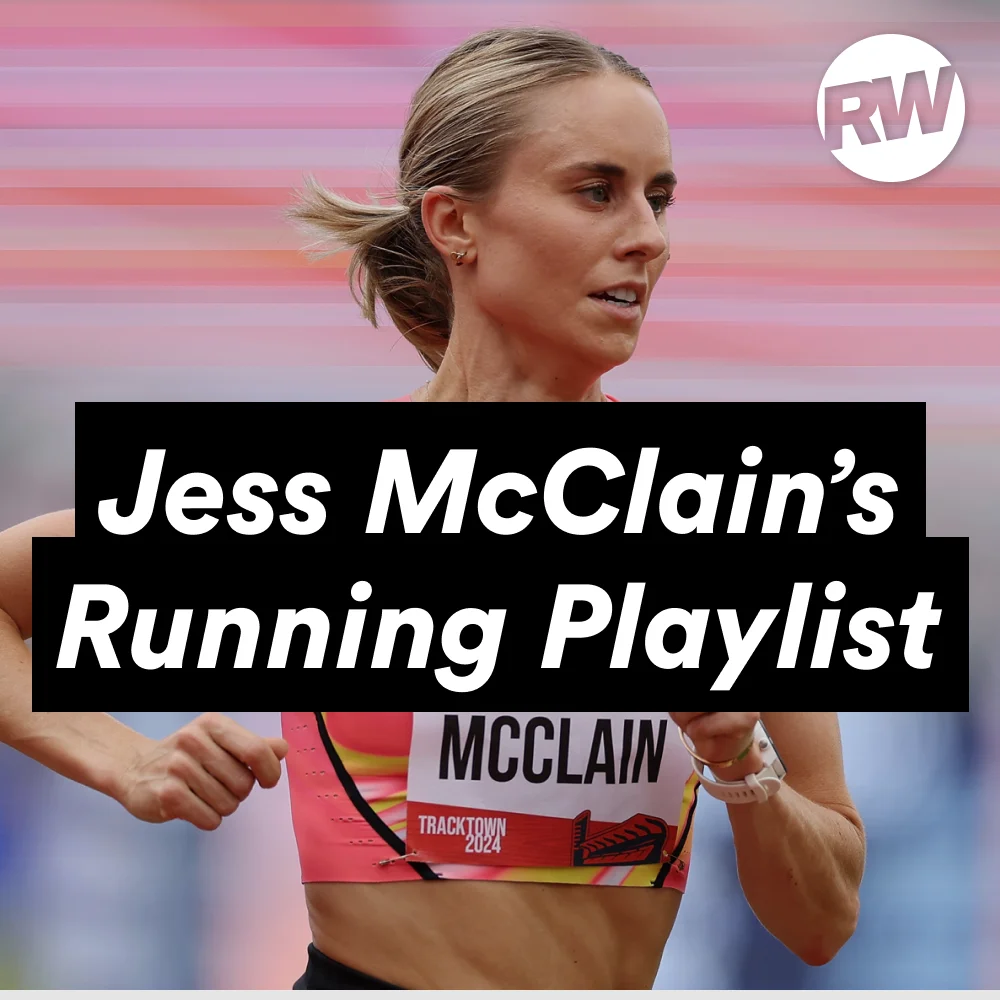
McClain’s playlist brings together several of the artists she listens to on the run. Start with her selection and see where the shifts in sound take you. Start Listening
Sara Hall
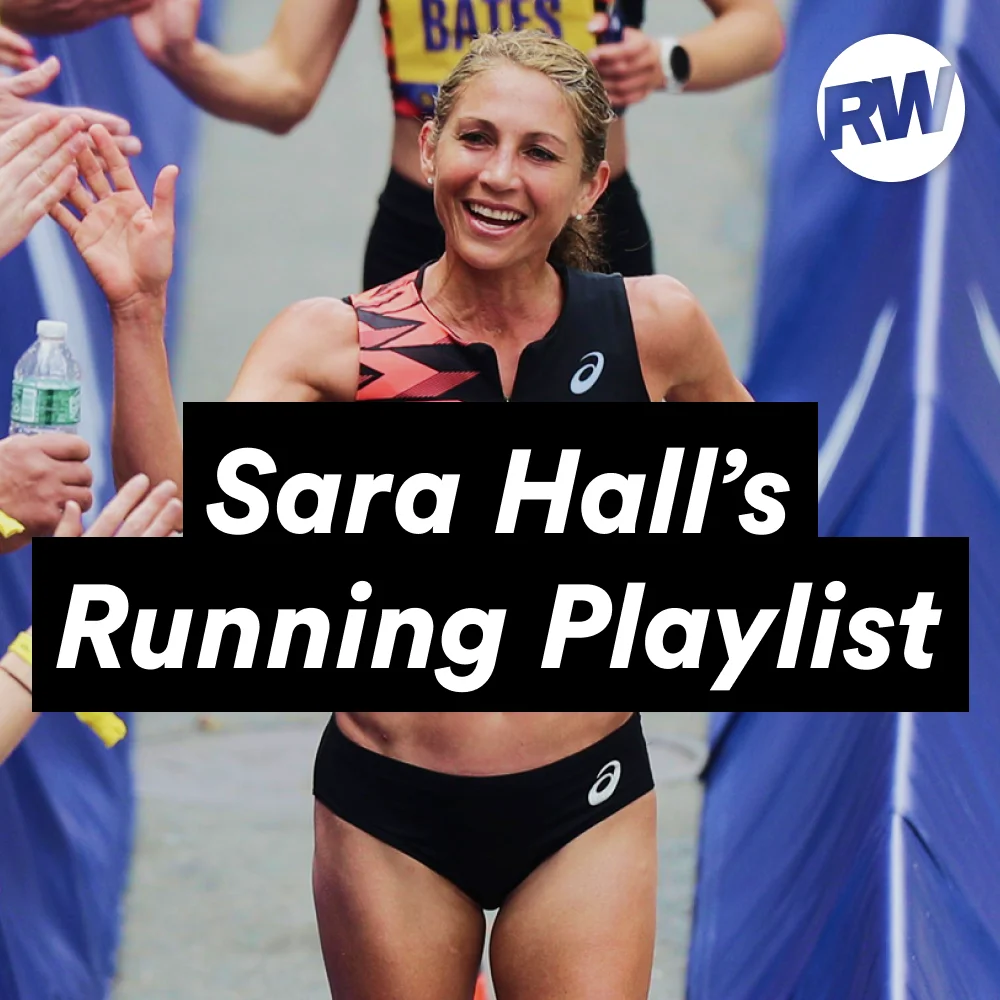
Hall’s playlist offers another athlete’s take on what works as running music. Browse it if you’re looking for a different mix to carry into a workout. Start Listening
Keira D’Amato
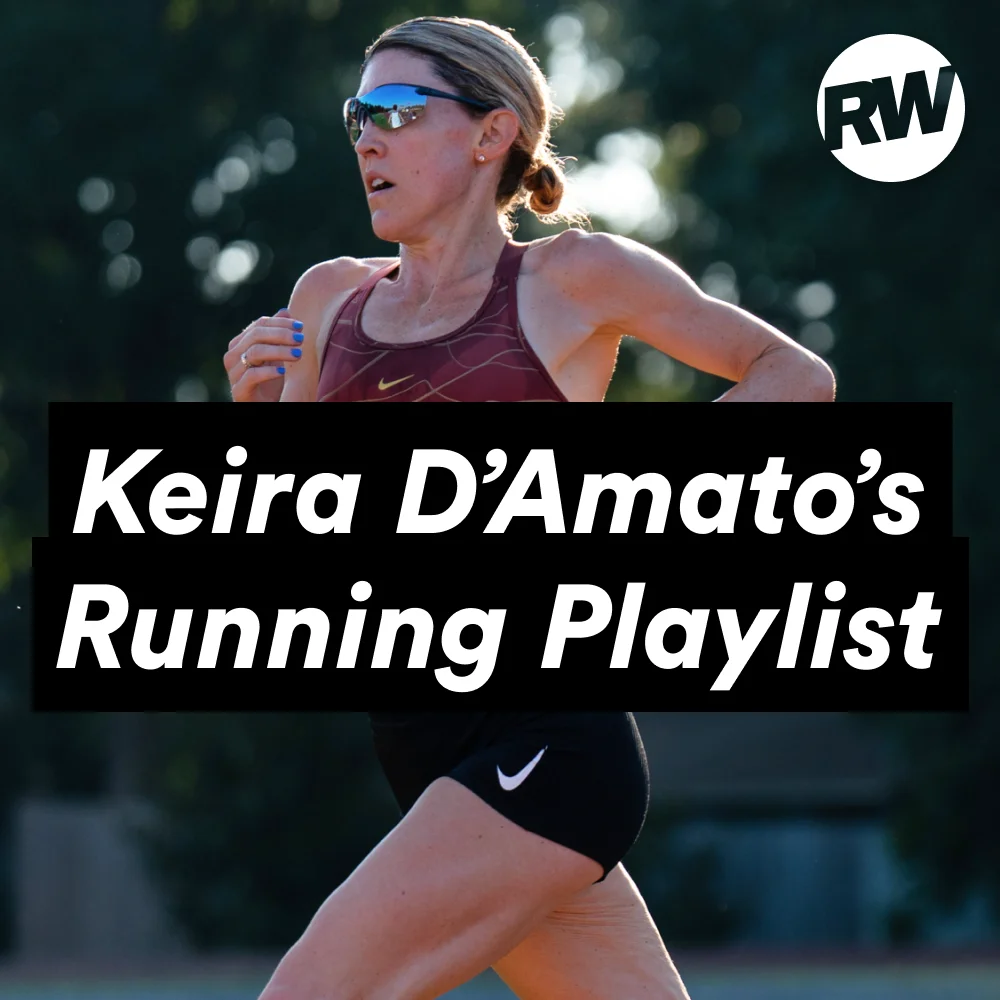
D’Amato’s selection adds another option for runners who like hearing how athletes shape their own soundtracks. The mix may give you a new starting point for your next run. Start Listening
Harry Styles

This playlist takes its cue from a pop performer rather than a runner featured in the article. It’s another way to browse by the music you already enjoy. Start Listening
Rachel Entrekin

Entrekin’s playlist gives you one more athlete’s perspective on music for running. Try it when you want a change from your usual rotation. Start Listening
Listen on Spotify
Open the playlist on Spotify to hear McClain’s picks in the service’s player. If Spotify is where you keep your running music, Open Jess McClain’s playlist on Spotify and add the mix to your next run.
Listen on Amazon Music
Amazon Music offers another way to hear the same playlist. Choose that player if it’s already part of how you listen, then Open Jess McClain’s playlist on Amazon Music before heading out.
Listen on Apple Music
Apple Music has its own version of McClain’s running mix. You can Open Jess McClain’s playlist on Apple Music and take the selections along for a run. A soundtrack won’t solve every difficult workout. A good one can still make the miles feel less solitary.