Andreas Almgren’s First New York City Marathon: Can His Record Speed Carry Over?
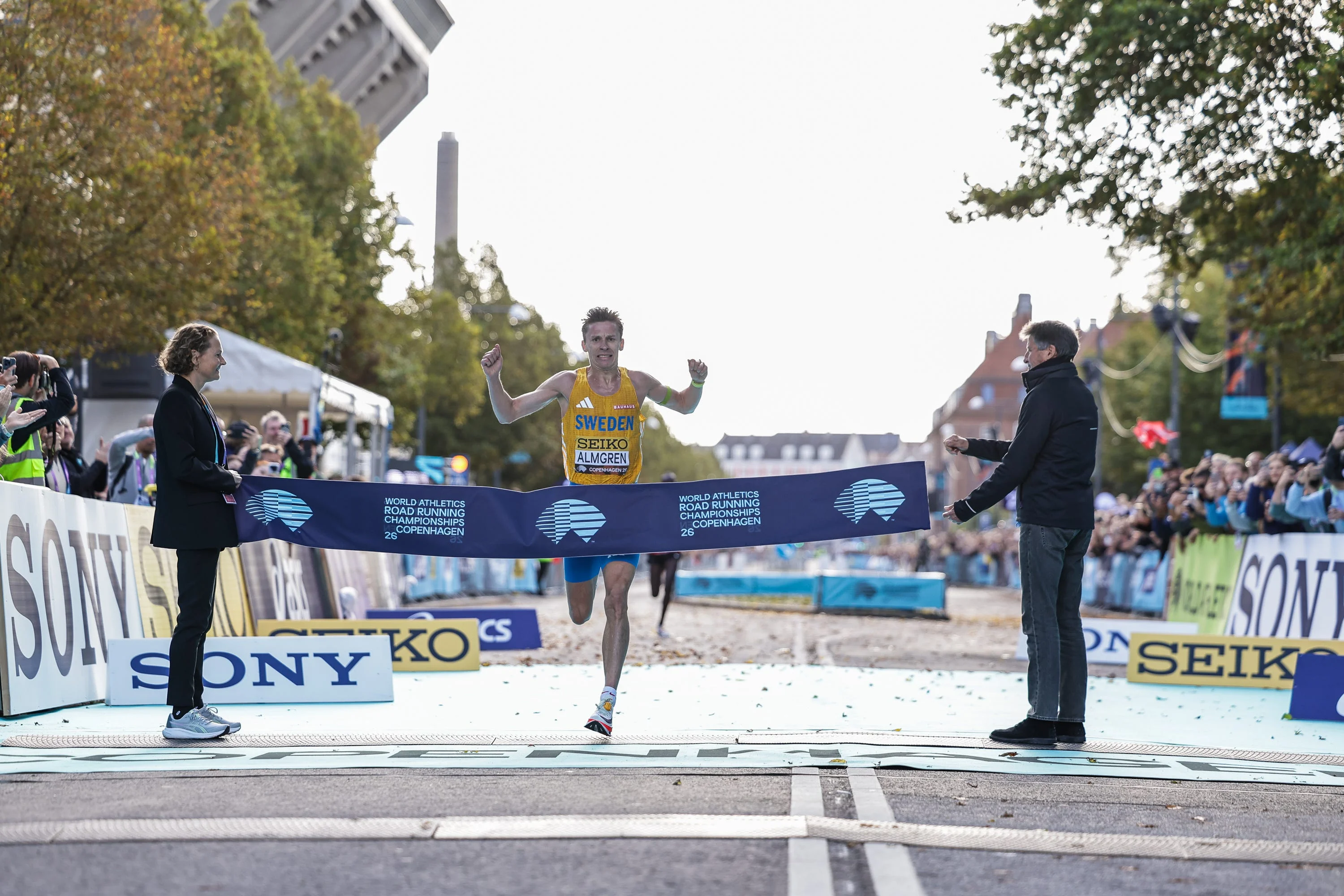
Andreas Almgren arrives at the New York City Marathon with a résumé that makes his lack of marathon experience hard to ignore. The 31-year-old Swede won the World Half Marathon Championships in September, set European records in the road 10K (26:45) and half marathon (58:06), and now faces his first race over 26.2 miles. He’ll line up on November 1 alongside former winners, Olympic medalists, and leading American runners Conner Mantz and Zouhair Talbi. Almgren looks capable of disrupting that established cast. The question is whether his speed and preparation will carry over to the marathon’s final miles.
His route to the start line has been unusual. Until two years ago, Almgren was working as a data scientist; he now trains mostly alone and writes his own plans. He’s also put in more than 135 miles a week this fall, including runs longer than 24 miles. That’s serious preparation, though no training block can fully answer the question he’ll face late in the race.
“I’m actually feeling really confident,” Almgren told Runner’s World before the race. “I might be a bit naive, but the training has gone really well. I’ve done a few really good workouts. But the marathon is a different beast. You don’t really know until you're reaching that 35K mark if you're going to make it or not. But I’m feeling really good.”
Here are six parts of Almgren’s background and approach that help explain why his marathon debut is worth watching.
He writes his own training plans
Almgren first drew international attention as an 800-meter runner, taking bronze at the 2014 World Junior Championships. Coach Urban Aruhn guided him for about a decade. Around 2019, Almgren began trying Norwegian threshold training and gradually took over the job of building his own programs.
Aruhn still reviews each training cycle, but now acts more as a sounding board. He challenges Almgren’s choices and asks him to defend the reasoning behind them. “If we disagree on something, then we discuss it,” Almgren said. “But in the end, it’s in my hands.”
He brings an analyst’s eye to running
Before turning professional full time, Almgren worked as a risk analyst at a financial company and then as a data scientist at sports technology firm Svexa. A stress fracture that kept him out of the 2024 Olympics prompted him to leave the job and focus on running.
He has a bachelor’s degree in industrial engineering and management, along with graduate coursework in mathematics, optimization, and systems theory. He now channels that technical interest into a detailed training log. “I like data,” he said. “And I collect basically the things that I think are important for every workout.”
His Excel spreadsheet tracks interval times, heart-rate readings, blood lactate measurements, and other workout details. The records go back to 2012, giving him years of past sessions to consult when planning current training. That kind of long view can sharpen decisions, though the data itself can’t make a marathon debut predictable.
He keeps looking for small advantages
Almgren prepared for New York with altitude training in Flagstaff, Arizona, at 7,000 feet above sea level. He has also added heat training to some blocks and studies methods used in sports such as cycling and speed skating.
About two years ago, he began trying Nomio, a broccoli sprout extract shot. The company says it can lower lactate during hard efforts and speed recovery. Almgren is sponsored by the brand and says it helps his legs feel fresher during intervals. That sponsorship is relevant context for his endorsement; the fragment offers no independent evidence for the product’s claims.
“I just feel like I can train harder than I did before and more and still recover from it,” he said. “Run a little bit faster on my threshold workouts and everything. So I think if you get those tiny margins over and over, day by day, I think that could help quite a lot.”
New York fits his first-marathon plan
Almgren had settled on a fall 2026 marathon by last summer, but wanted to complete a full track season before switching to marathon training. New York gave him room to recover from that season. He also preferred a race where he could compete tactically over a flat, time-focused course such as Spain’s Valencia Marathon in December.
“In a time trial, I wouldn’t really know what time to aim for,” he said. “There’s a big risk that I blow up. If I’m going in Valencia, you have Yomif [Kejelcha] and John Korir taking off in probably sub-two-hour pace, and I’m not going to follow that. So I think that New York is a better race for me with inexperience, just trying to stay in the front pack and see what can happen.”

He still has track ambitions
Moving up to the marathon doesn’t mean Almgren plans to leave the track behind. He intends to race a track season in 2027 and thinks the 10,000 meters may be his strongest event at the 2028 Los Angeles Olympics.
A top-five finish in New York would earn him the Olympic standard and put him on course for a place on Sweden’s marathon team at those Games. The two ambitions make for an unusual combination: only Emil Zatopek has won Olympic gold in both the 10,000 meters and marathon at the same Games.
He’s willing to race for the win
On New York’s hilly course, Almgren says the finishing time matters less than staying with the leaders. He wants to commit to the race even if the effort catches up with him.
“The goal is to be in the mindset that I should try to be able to compete for the whole race,” he said. “I don't want to, let’s say, chicken out at 30K. I want to try to be in it for as long as possible. And if that means that I blow up at 37K, then so be it.”
He hopes to remain in contention through Central Park and perhaps win. He’s also clear-eyed about the uncertainty: a first marathon can expose limits that workouts don’t reveal, and even Almgren says he doesn’t know what will happen. His willingness to take that risk is part of what makes this debut compelling.
“But I hope that I should be able to be in the mix up until Central Park and hopefully even maybe come out on top. We’ll see. You should never underestimate a marathon. And I don’t have the experience, so I don’t know what’s going to happen, but I’m going to try to be in the mix.”
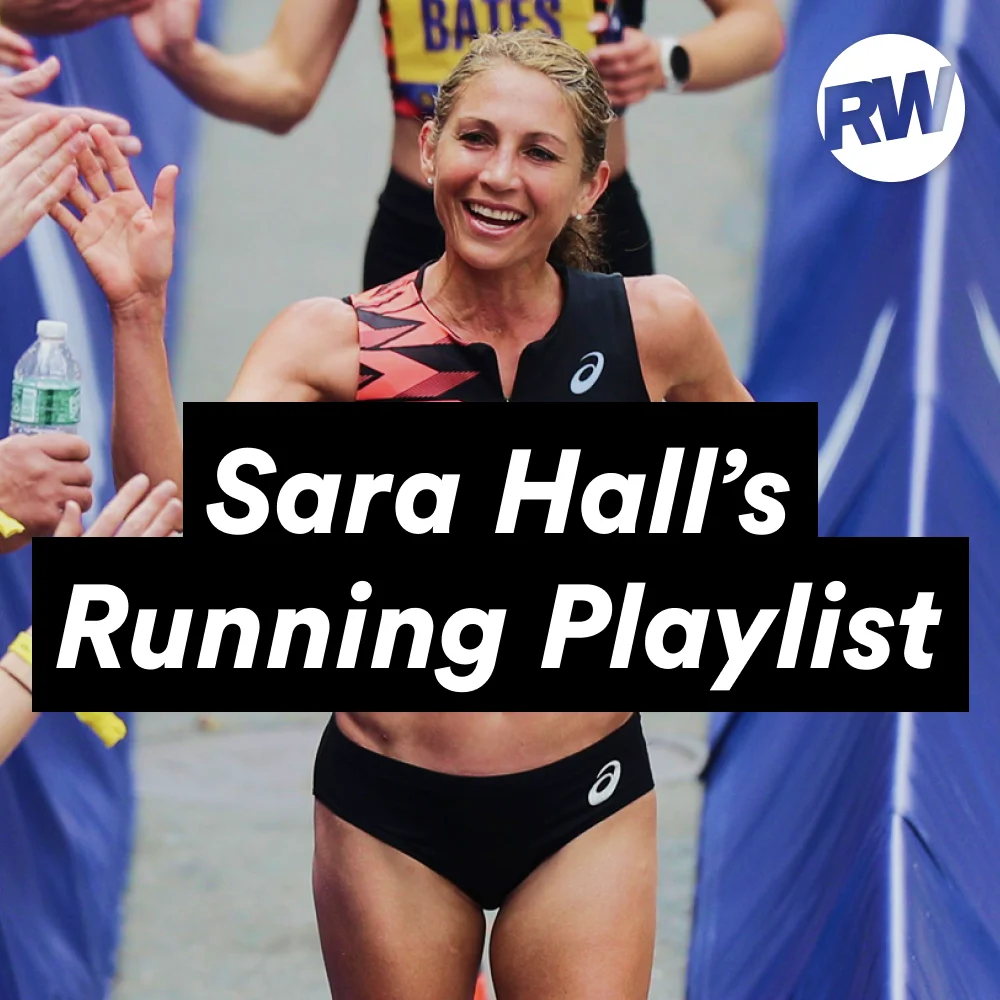
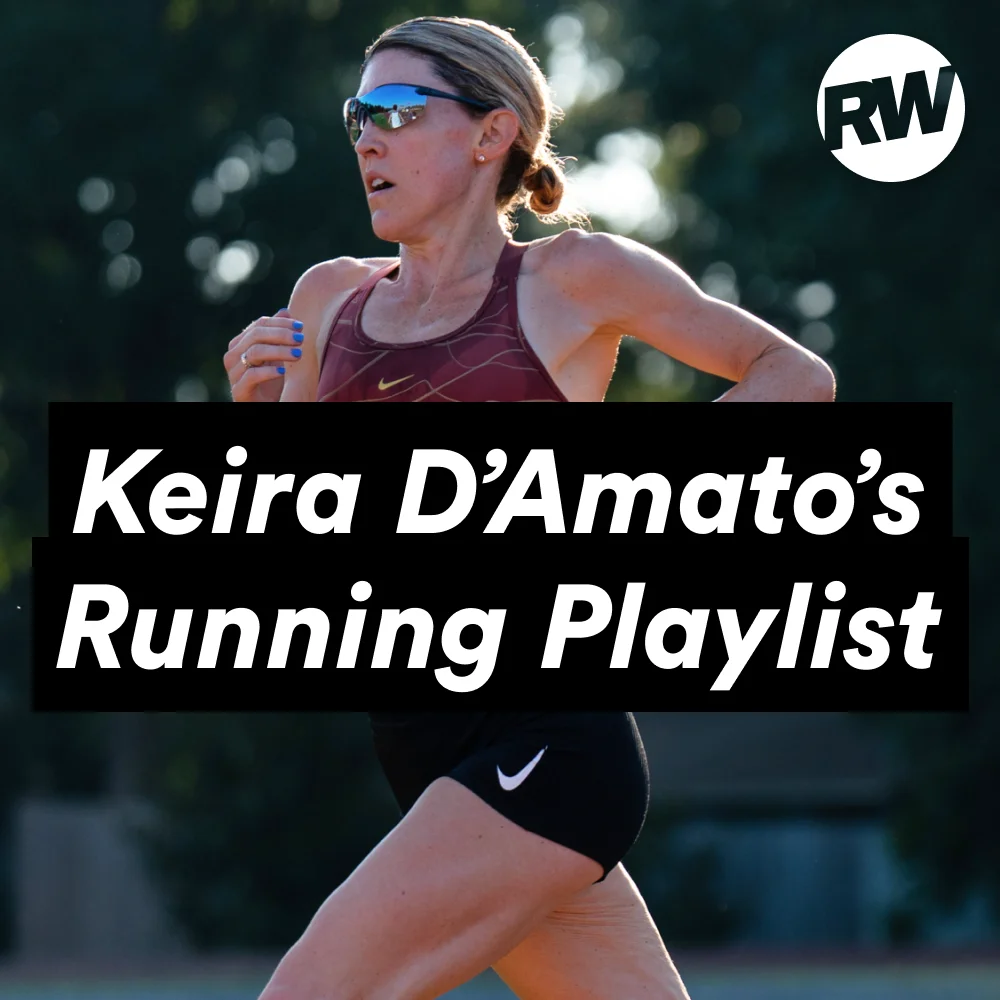
More playlists to take on a run
The gallery closes with three more listening picks: Harry Styles’ concert-inspired running playlist, Rachel Entrekin’s trail-ready mix, and Jess McClain’s playlist tied to TrackTown 2024. If you’re looking for a new soundtrack, each link leads to the playlist. Start listening to Harry Styles’ playlist
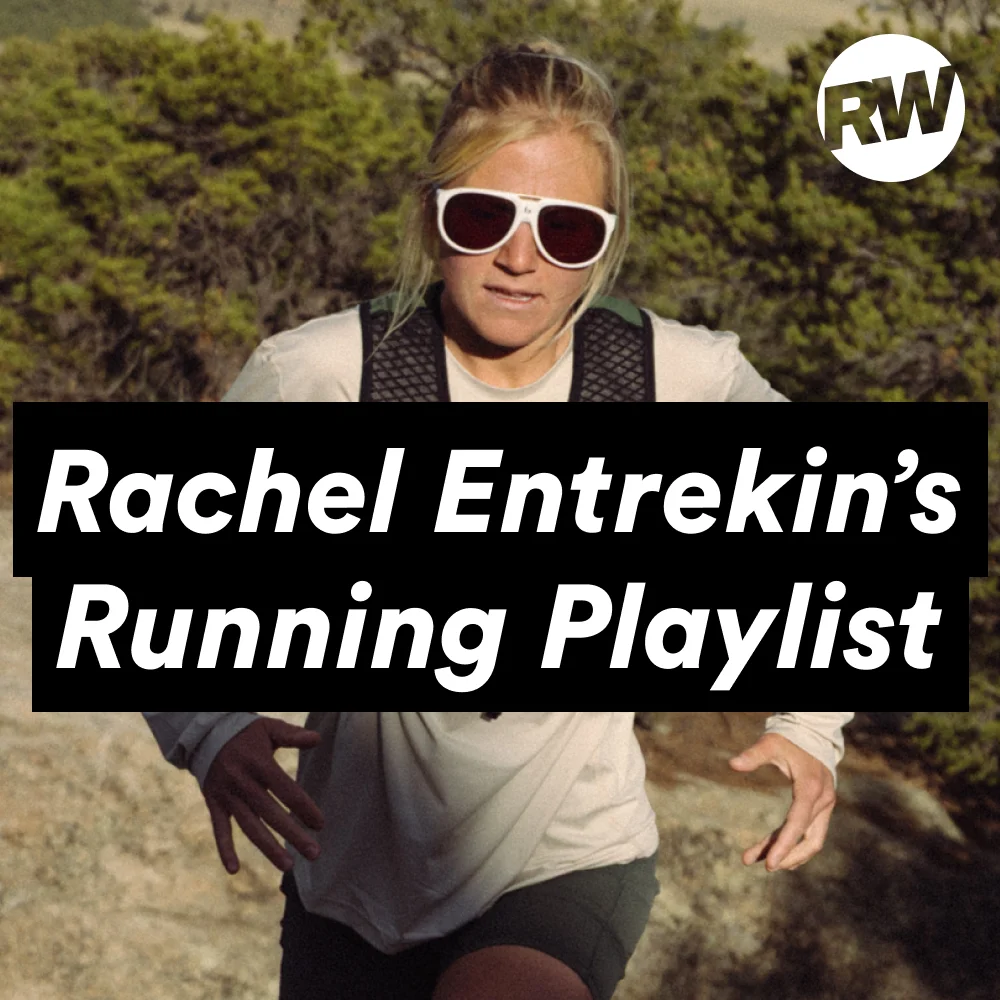 Start listening to Rachel Entrekin’s playlist
 Start listening to Jess McClain’s playlist
Theo Kahler, Senior News Editor at Runner’s World, is a former all-conference runner at Winthrop University and holds a master’s degree in liberal arts studies from Wake Forest University, where he ran on a top NCAA distance team. He has reported from the Paris Olympics, U.S. Olympic Trials, New York City Marathon, and Boston Marathon. His bests include 14:20 for 5K and 1:05:37 for the half marathon; he placed 40th at the 2025 New York City Marathon. He also likes spotting running tracks from airplane windows.