On Cloudsurfer 3 Review: A Soft, Light Ride Through New York City
A familiar routine meets a new shoe
The On Cloudsurfer 3 made a case for changing running shoes in the first mile. It felt lighter than a familiar pair the runner had already chosen for its low weight, and its soft ride suited someone who tends to land hard. Over three miles in New York City, the cushioning, fit and springy feel turned a cautious test into a convincing run.
The runner had spent a decade buying the same style of shoe, even as worn-out pairs left their shins aching and feet tender. Familiarity had become its own argument: trying another brand seemed less appealing than repeating a routine that was easy to trust. The Cloudsurfer 3 interrupted that logic. One run can’t establish long-term comfort, but it can reveal when a supposedly dependable choice has stopped earning its place.
A light fit and soft first steps
Before the run, the Cloudsurfer 3 felt notably light. Its knit mesh upper was airy, while the interior and generous ankle collar offered plush padding without feeling bulky. The runner, a longtime sand volleyball player who tends to plant their foot firmly, was looking for cushioning that could soften the impact. That background matters: someone accustomed to forceful landings may notice a shoe’s softness differently from a runner with a lighter stride.
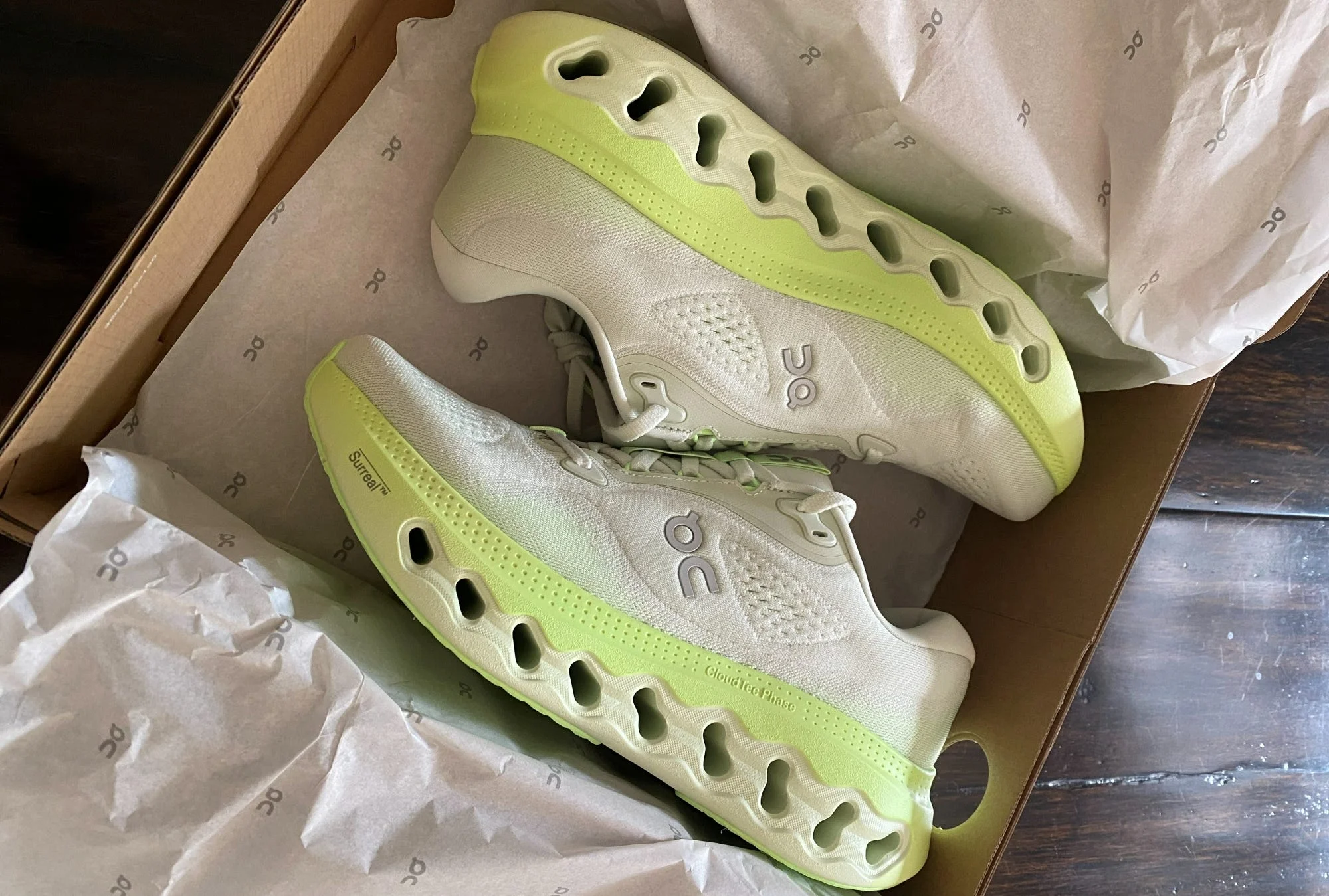
The first strides felt smooth and forgiving. The runner attributed that soft landing to On’s Surreal™ Superfoam and CloudTec®. At a red light halfway through the first mile, they paused long enough to register the fit: the ankle stayed secure without feeling tight, the foot didn’t slide during push-off, and the toe box felt comfortable. Those small fit details can matter over a run, because movement inside the shoe or pressure at the collar can become more noticeable with repeated steps.
Here's the thing: comfort at the start is a useful signal, but it’s only a first impression. A short urban run offers a mix of pavement and stops, and doesn’t tell you how the same cushioning will feel after a much longer effort. For this test, though, the absence of obvious pressure or slippage helped make the shoe easy to assess on its own terms.
A springy feel on the Great Lawn loop
For the second mile, the route shifted into Central Park for a 0.55-mile loop around the Great Lawn. On the flat path, the Cloudsurfer 3 gave the runner a sensation of moving downhill. Each landing seemed to rebound into the next stride, adding a sense of lift and confidence in their form. That’s a subjective impression rather than a measurement of speed, but it describes the quality that stood out most once the initial softness became familiar.
Each shoe weighs 10.8 ounces. The runner wondered whether that light build contributed to the springier feel, though the day’s cool air and clearer path may also have helped. The run can’t isolate those factors, and a faster split doesn’t prove that the shoe caused the improvement. Still, the second-mile time of 10:02—faster than their usual pace of about 11 minutes—gave the runner a concrete reason to keep paying attention.
This is more significant than it looks for a runner who’d been reluctant to change brands: a comfortable shoe that also feels lively can make experimentation seem less like a gamble. And yet, one quick mile on a favorable stretch doesn’t establish how the shoe will behave across different routes or on tired legs.
Cushioning that stayed comfortable
By the final mile, the runner’s legs still felt good after two easier miles. They finished with short sprints between city intersections, using red lights for brief rests. The transitions from heel to toe remained smooth, and the hard pavement didn’t seem to send much impact back through the shoe. The stop-and-go format is part of the story: brief pauses gave the runner moments to recover, so this wasn’t a continuous three-mile effort.

The runner completed another sub-11-minute mile and found that a scrape on their ankle from a volleyball match wasn’t irritated by the shoe. There was no chafing during the run, despite earlier concerns that the collar might rub against it. That’s a useful comfort check for this particular fit, though it can’t predict how the collar will feel on every foot or over a longer outing.
What three miles can tell you
A short test can’t settle how a shoe will perform over longer distances, but this run changed the runner’s view of their familiar standbys. The Cloudsurfer 3 combined a secure fit with soft cushioning and a lively transition, making the pavement feel less demanding. For someone who’d kept buying the same style despite recurring soreness, that’s a persuasive first reason to reconsider the habit.
If you're working in this space, the useful takeaway is that a shoe review should distinguish immediate feel from evidence gathered over time. This run supports a narrow claim: the Cloudsurfer 3 felt comfortable, stable and responsive across three miles, including a faster second mile and short closing sprints. It doesn’t answer questions about durability, performance on longer runs or how the cushioning will suit other runners. A promising start. After three comfortable miles, the runner planned to make it their daily shoe, with longer outings still to come.