How Three Runners Define Fast—and Set Race Goals in the On Cloudboom Strike 2
What “fast” feels like
Fast has no single definition in running. Your pace can change with the distance, your training, or whether you’re returning from an injury. Even for one runner, a fast day can mean something different from one race to the next. For Brooklyn fashion designer Florence Canonoy, the watch helps make progress visible. “I just run to feel good, and then I look at my watch and it’s like 8:15 [per mile], and I’m like, ‘oh, I’m getting fast,’” she told Runner’s World. Mollie Kaplan, a content creator from Florida, puts less stock in the number: “When I’m feeling confident and happy, I feel like that’s when I produce my fastest times—when I’m not putting as much pressure on myself.” Long Island runner Chris Chung describes speed as a sensation. “When I’m doing interval workouts, that’s what fast feels like to me,” he said. “It’s feeling the wind in your face, in your hair, and just feeling like you’re floating.” That difference matters. A pace is measurable; confidence, comfort, and the sense of moving freely are harder to quantify, but they shape how a race feels. Shoes can be part of that experience, especially on race day. Canonoy, Kaplan, and Chung discuss their goals and races in the On Cloudboom Strike 2.Meet the runners
Mollie Kaplan
Kaplan is a Fort Lauderdale, Florida, content creator and former college lacrosse player. She has completed four marathons. Race in the Cloudboom Strike 2: Chicago Marathon Goal: Set a personal recordChris Chung
Chung is an industrial designer and content creator from Jericho, New York. He has run for 10 years and completed his first marathon in 2025. Race in the Cloudboom Strike 2: Half marathon in Vancouver, British Columbia Goal: Finish under 1:50Florence Canonoy
Canonoy is a Brooklyn fashion designer who ran casually in high school and college and began taking the sport seriously this year. Race in the Cloudboom Strike 2: 5K in New York City Goal: Push herself while returning from a hip flexor injury This interview has been lightly edited for clarity and concision.Cloudboom Strike 2
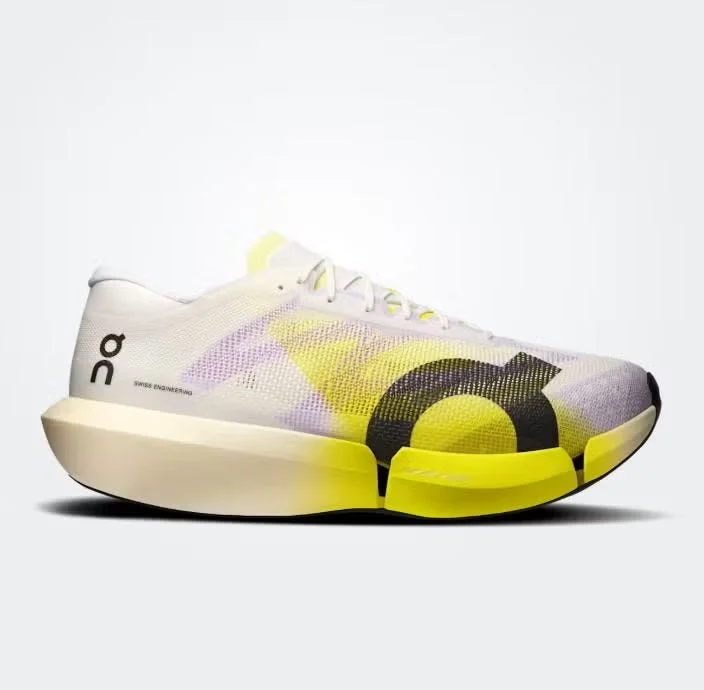 Cloudboom Strike 2 — $250 at on.comCo-created with athletes for marathons and half marathons, featuring our CloudTec Sphere™ cushioning system for a fast ride and Helion™ HF hyper foam for energy return.
What was your goal going into your race?
Mollie: My fastest marathon was New York City in 2024, and I’ve wanted to set a PR ever since. Chicago came with a yellow weather warning and less-than-ideal conditions. I was frustrated: I’d trained through the summer heat and felt ready to chase a personal best in cooler weather. In the final two weeks, though, I let go of that pressure. I decided not to check my watch and to run by feel instead. Chris: This was my first half marathon since a femur stress fracture. I hadn’t run 13.1 miles in a year, so I wanted to see how I felt and keep my time below 1:50. Florence: I’d taken my last couple of races easy, but this time I felt good enough to push. It was one of my first races that I approached seriously.How did you feel at the start?
Mollie: I felt strong right away and could tell from the first mile that it might be a good day. The Cloudboom Strike 2 seemed to add speed without much effort, almost nudging me forward. Chris: I started near the front and got swept up with runners going out hard. By the first quarter mile, I was running in the 6:20s, a pace I knew I couldn’t sustain because I hadn’t trained for it. I backed off and focused on effort, knowing the course had hills. The shoes stayed responsive when I slowed down. I liked that the rocker wasn’t too aggressive: I didn’t feel forced onto my toes, while the smooth roll-off helped me keep my cadence. The upper felt light and breathable, with enough room not to feel tight. Florence: I felt good and started fast. The shoes gave me a lot of energy return; I felt like I was bouncing, and they were easy on my hips. That helped in the heat, too: the upper felt breathable on a very hot day.When did you feel strongest?
Mollie: I saw my mom, sister, and boyfriend four times along the course, and each sighting gave me a lift. Mile 20 was a turning point. I still felt so good that I thought I could speed up, something I’d never experienced in a marathon. At mile 24, I finally checked my watch, saw I was close to a PR, and picked up the pace. Chris: Along Vancouver’s seawall, the course runs beside the ocean. I train alone, so I sometimes enjoy the quiet. I took out my headphones and listened to my footsteps and breathing while taking in the view. With the ocean breeze, I felt like I was cruising. Florence: The cheering helped in the middle and toward the end, and my stride felt smooth and springy. I didn’t feel wobbly or stiff. Some shoes I’ve worn felt too rigid and left me noticing my body or hip; the Cloudboom Strike 2 felt good late in the race.How did the shoes feel as fatigue set in?
Mollie: In the last third, the shoes still felt comfortable and springy, and my body felt good. When I pushed the pace, my stride felt natural.What the finish line revealed
The clearest verdict on the Cloudboom Strike 2 came from runners who weren’t sure how much they had left. Chris said the shoe’s cushioning felt softer than the firm, aggressive ride he associates with other racing shoes. That sink-in sensation, he said, came with enough response to keep him moving. Florence found the cushion useful on a steep Harlem hill, where the shoe seemed to help push her forward.
For Mollie, the finish brought a three-minute personal record—and the emotion that comes with months of training finally adding up. She says she cries at every finish, often in the last 100 meters, but seeing her time made her pause with excitement. She plans to race in the Cloudboom Strike 2 again and recommends it to runners shopping for a race shoe. That’s a strong personal endorsement, though it’s one runner’s experience, not a promise of similar results.
Chris finished in 1:37, pleased that he could ask more of his body than he had over the past year. Florence had deliberately ignored her watch; hearing cowbells near the finish lifted her spirits, and she sprinted the final stretch as the crowd cheered. The details differ, but all three accounts point to the same lesson: race day can reward confidence, patience, and attention to how your body feels.
Speed takes time
Mollie is working on trusting herself earlier in a race instead of waiting until mile 13 to feel confident. Her advice to other marathoners is to enjoy the training, recognize small gains, and believe in the work before the starting gun. Chris’s takeaway is more practical: getting his speed back will require more speed workouts, and he can’t rush that process.
Florence found that checking her watch too often made her slow down. When she focused on her own sensations and the music in her headphones, she ran faster. It’s a useful reminder that race goals matter, but the numbers on a watch don’t tell the whole story. The shoe’s mix of cushioning and response seemed to suit these runners; how it feels to you will depend on your pace, fitness, and preferred ride.
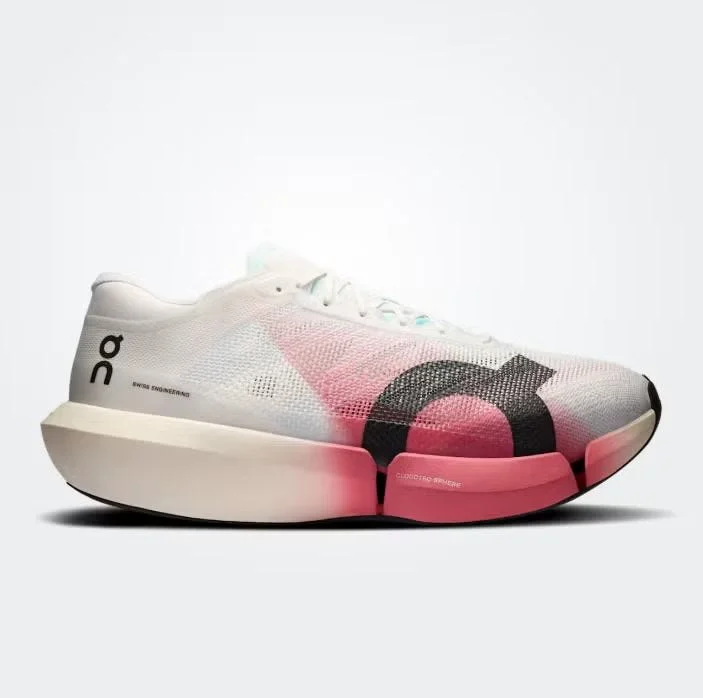
On says the CloudTec Sphere™ absorbs more impact to help keep legs fresher and preserve speed deeper into a marathon. That’s the shoe’s stated technology pitch; these runners’ accounts offer a few personal impressions, not a controlled measure of its effect.