Best Walking Shoes for Comfort, Support, and Long-Distance Wear
The Best Walking Shoes
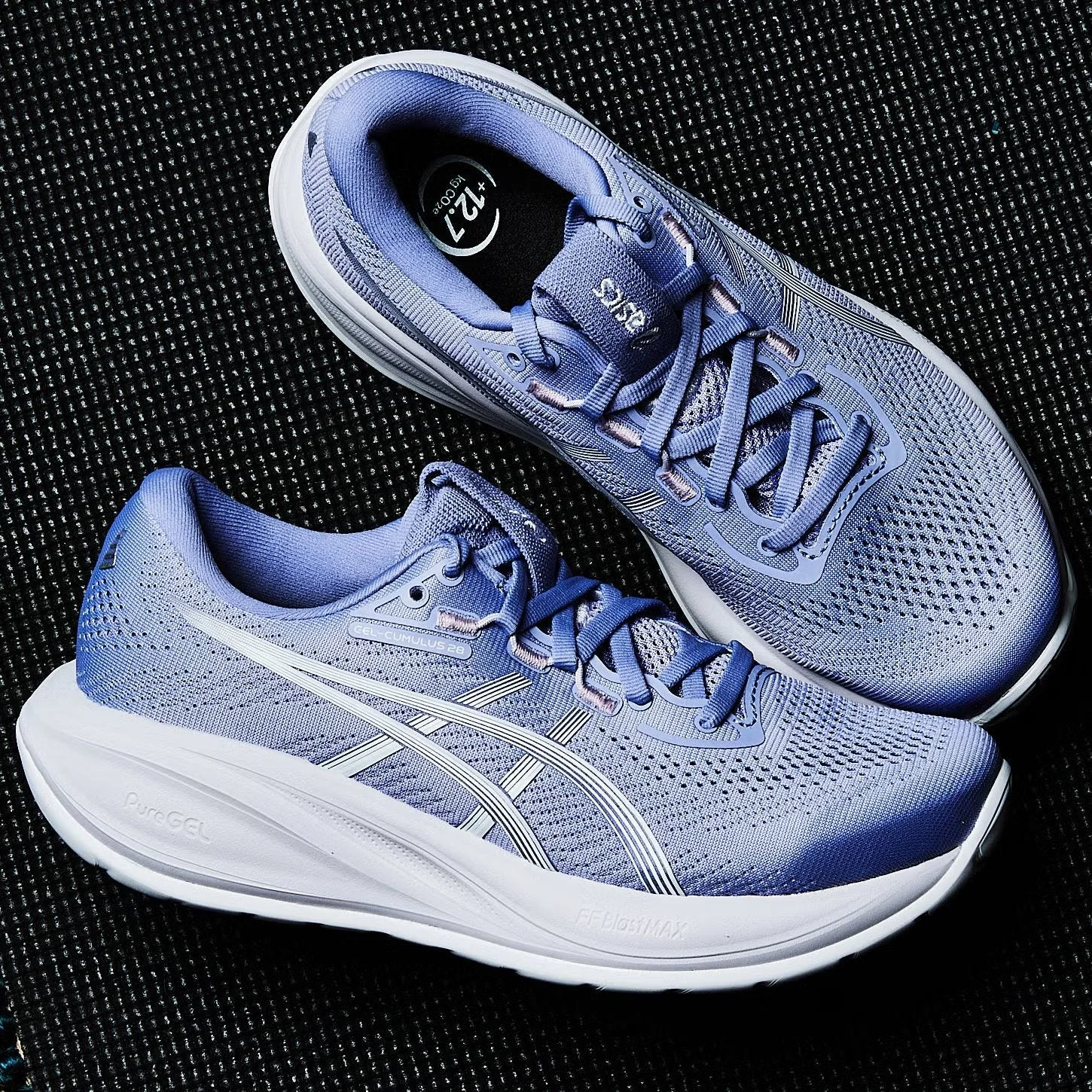
For everyday pavement walks, our top pick is the Asics Gel-Cumulus 28. We tested dozens of shoes over hundreds of miles, and its cushioning, stability, 8mm drop, and secure fit made it the strongest all-around choice. Those features matter most when a shoe needs to feel dependable across different routes and paces, rather than tuned for one narrow use. If your walks run long, the On Cloudmonster 3 is our pick for covering more distance, where cushioning over many hours can matter more than a light, nimble feel.
That distinction matters: the shoe that feels right for a daily neighborhood loop may not be the one you want for hours on your feet. Walking puts comfort, support, and durability ahead of the quick response and speed some running shoes are built to deliver. A good fit also has to hold up as your feet move and swell through a long day, so the feel in the first few minutes is only part of the decision. Here's the thing: the best choice depends on what your walks actually ask of your feet.
A comfortable pair can make a familiar route easier to enjoy, whether you’re easing into running, taking a recovery walk after a marathon, or simply getting around during the day. Cushioning helps soften repeated pavement impact, while stability can add support as your pace changes from a stroll to a brisk walk or short jog. These qualities aren't interchangeable: a soft shoe may feel pleasant underfoot, while a stable platform can feel more controlled when your stride changes. If you’re comparing options, our guides to cushioned running shoes and stability shoes explain those features in more detail.
Here’s the thing: a casual sneaker such as a Keds or Vans may look suitable, but it isn’t designed around the same demands as the best running shoes. Breathable, lightweight uppers can help keep feet comfortable across changing conditions, while cushioning and support matter more for walking than speed or a snappy ride. A shoe built for running may still suit a walk, but its design can bring trade-offs that matter over a long day. Narrow platforms and rocker shaped midsoles may suit faster movement, but they’re not necessarily what you want for an easy neighborhood walk. This is more significant than it looks: a shoe can feel lively in a store and less comfortable once the route gets repetitive.
Our Picks at a Glance
The best walking shoe depends on where and how you’ll use it. These picks cover everyday wear, long outings, hills, trails, wet weather, and extra support. Think of the categories as a starting point: your route, pace, and preference for cushioning will shape which one makes sense. If you're working in this space, that range is a reminder that “walking shoe” describes a use, not one universal design.
- Best Overall: ASICS Gel-Cumulus 28 — Women’s / Men’s
- Best Value: New Balance Ellipse — Men’s / Women’s (listed at $144.99 for men and $145 for women)
- Best for Long-Distance Walking: On Cloudmonster 3 — Men’s / Women’s (men’s listing: $180)
- Best for Hills and Inclines: Hoka Clifton 11 — Men’s / Women’s
- Best for Trails and Hospital Workers: Salomon Aero Glide 4 Grvl — Men’s / Women’s (men’s listing: $160)
- Best for Power Walking: Hoka Bondi 9 — Men’s / Women’s (listed at $175 for both)
- Best for Rainy Days: lululemon Beyondfeel — Men’s / Women’s (women’s listing: $158)
- Best for Overpronators: Nike Structure Plus — Men’s / Women’s (women’s listing: $170)
How We Tested
How we chose
We put 40 pairs through at least 20,000 steps a day, walking everywhere from New York City sidewalks and amusement parks to trails and varied terrain in Prague, Czechia. We test hundreds of shoes each year, but this guide focuses on designs suited to walking, so we set aside carbon-plated models, many trail shoes, racing shoes, and shoes with minimal stack height. That filtering matters because a shoe built around racing or technical trail use can answer a different set of needs from one worn for errands or a long day on hard pavement. From the remaining options, we looked for the best balance of comfort, support, and practical use across settings.
Comfort and stability carried the most weight. We also considered breathability, grip, and durability, since a shoe that feels good at first but wears out quickly is a poor value. The point is to judge how a pair works after repeated use, not just whether its first impression is pleasant. Value matters when you’re choosing a pair for regular use, and so does style: if you wouldn’t want to wear the shoes on a neighborhood walk or a vacation, they’re unlikely to get much use. A sensible pick has to fit your habits as well as your feet.
Full reviews
The Asics Gel-Cumulus 28 is our top pick, priced at $145. Its place here reflects the balance we prioritized: cushioning and stability for routine pavement walking, with an 8mm drop and a secure fit. Those traits make it a practical starting point for shoppers who want one pair for varied everyday use, though personal fit still matters. The listed price also gives readers a concrete point of comparison when weighing the alternatives. See it at Asics.
What to consider before choosing
Start with the ground and distance you expect to cover. Pavement, uneven trails, hills, and wet conditions put different demands on grip and underfoot comfort, which is why this list separates picks by use. Then consider pace: a relaxed walk and a brisk power walk can reward different shoe feels. One pair may handle several kinds of outing, but its strengths will still reflect the use it was chosen for.
Price is only one part of value. The list includes options with specific roles and several stated prices, but a higher listing price doesn't tell you whether a shoe will fit your foot or suit your route. Try to judge comfort, stability, and how secure the shoe feels together. A soft sensation on its own doesn't settle the question.
And yet, the simplest test is often the most useful: whether you want to keep wearing the pair after the first walk. (And this is the part most people overlook.) The right shoe supports the way you move without demanding that you change your routine around it. If you're choosing between two plausible options, your intended routes and the fit you experience should carry more weight than the category name alone.
Why walking shoes deserve a closer look
Walking is repetitive, and ordinary routes can involve long stretches on hard surfaces, frequent changes in pace, or hours spent standing between walks. Similar footwear choices often involve trade-offs: more cushioning can change how a shoe feels underfoot, while a firmer or more stable design may feel more controlled to some walkers. The article’s testing criteria reflect that tension, with comfort and stability at the center and grip, breathability, durability, and style considered alongside them.
For you, the practical takeaway is to match the shoe to the walk you actually take. A daily pavement walker may value a versatile pair; someone covering greater distances may put more weight on comfort over time; and a person walking on trails or in rain may care more about the conditions named in those categories. No single label answers every fit question. The strongest choice is the one that supports your routine, feels secure, and earns its place in regular use.