On Cloudsurfer 3 Review: Cushioned Miles, Stairs and Harlem Hill
After years of running, I’d started to dread the effort. My legs felt heavy, my focus drifted, and getting out the door had become harder than staying in bed. Three days in On’s Cloudsurfer 3 changed how those runs felt: the cushioning and rolling ride made easy miles feel lighter, and left me curious enough to take on stairs and a steep Central Park hill.
The test took place across New York City parks, inclines, and stairways. I went in hoping the shoe would make running enjoyable again. I came away with a more specific impression: its soft ride felt comfortable on easy miles and useful on hills, though the extra height took some getting used to.
Day one: an easy run that kept going
I’d rested for a couple of days and planned to run a few easy miles. The Cloudsurfer 3 felt more cushioned than any shoe I’d used before, and its mesh upper wrapped snugly around my feet. Standing in it, I felt noticeably taller. That change was unexpected, but the shoe’s Surreal™ superfoam midsole and outsole geometry suggested the height might pay off in a softer stride.
It did. From the first steps outside, my stride felt smoother and lighter. The shoe’s spring brought back some of the ease I remembered from when I first started running, so my short outing stretched to 5.25 miles. When I got home, my legs felt less heavy than usual, and post-run yoga didn’t bring the familiar aches and groans.
Day two: stairs and streetlight intervals
I woke up after dreaming about running, and my body felt good: no aches after the previous day’s miles. That was enough to send me toward the stairs at Central Park’s Bethesda Fountain, followed by hills on the way home.

On the steps, landings felt bouncy and I could lift my knees higher on the climb. My effort rating was an 8 or 9 out of 10, so the workout was clearly demanding. The rolling feel stood out most on the run-walk back up the hill: the climb seemed easier than I remembered, and my heart rate settled sooner. That gave me enough energy to add intervals, alternating runs and sprints between streetlights as I left the park.
Day three: Harlem Hill
My next running dream featured Harlem Hill, a short but punishing climb in the park. The 0.3-mile hill averages about a 4.5 percent grade and reaches nearly 8 percent near the top. I hadn’t run it since a half-marathon more than a year earlier, but the shoe’s performance on stairs and smaller hills had me ready to try.
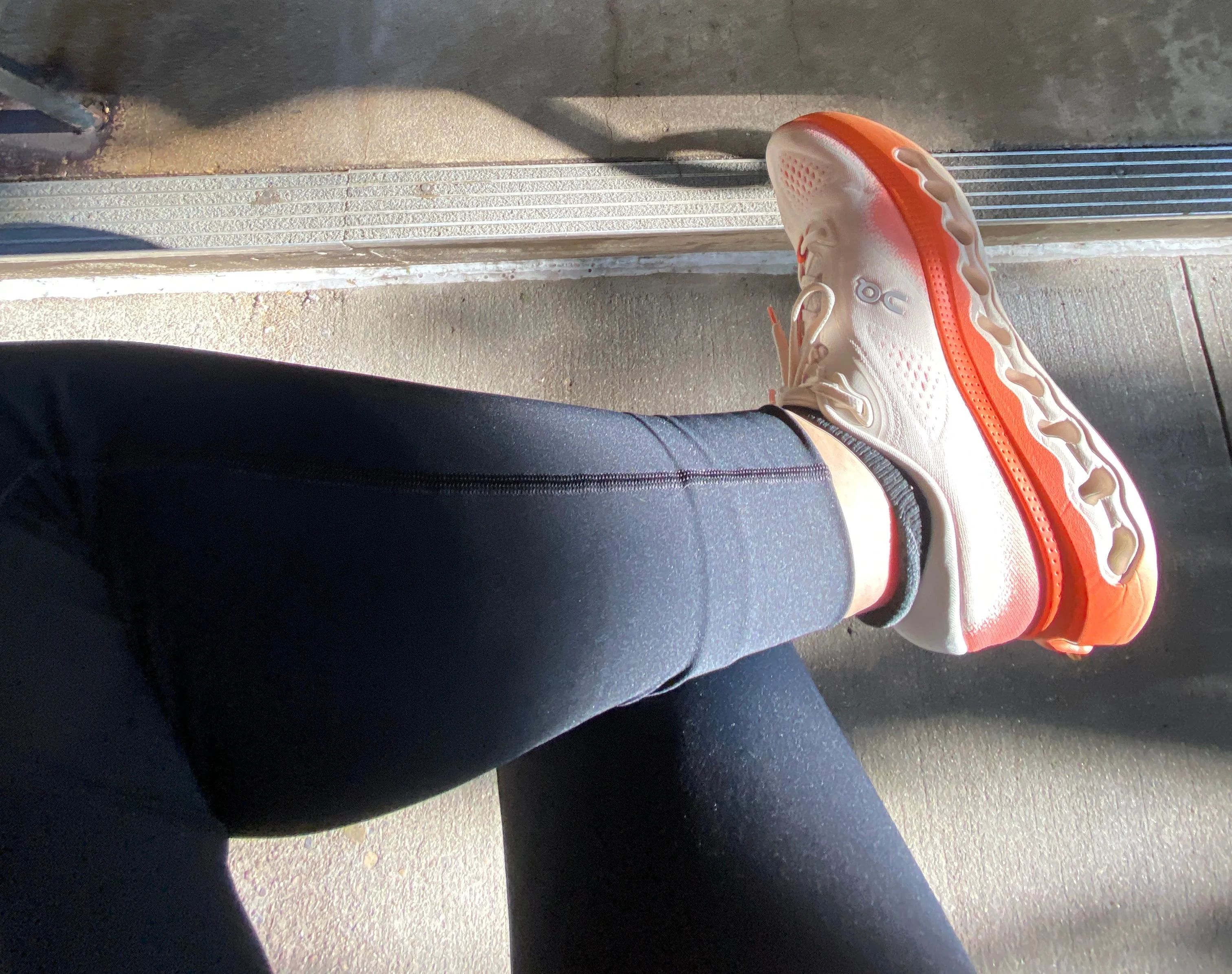
The downhill switchbacks to the base felt controlled. Instead of pounding down the slope, my stride rolled from heel to toe, with a soft landing at each step. On the climb, that rolling motion seemed to help carry me forward. The effort was greater than the day before, as expected on the steeper grade, but I felt less discomfort than on previous runs there. I reached the top winded, while my legs and glutes felt less drained than I remembered.
The second half of the run came easily, and my average pace was 45 seconds per mile faster than on day one. A three-day test can’t settle how a shoe will feel over the long term, but the Cloudsurfer 3 gave me a welcome reminder: a softer ride can change how willing you are to keep going.

Carey Rossi is the Senior News Editor for Prevention and Prevention.com. You can follow her @CareyRossi.