How Run/Walk Speed Training Helped One Runner Improve Her Half Marathon Time
Speedwork can look daunting when your training is built around walking breaks. I learned that the payoff doesn’t require abandoning that approach: gradual, manageable sessions helped me run faster and feel less intimidated by them.
While training for my first half marathon in summer 2025, my average run/walk pace was 16:00 per mile. I wanted to move faster, but my fitness wasn’t there yet. I followed the Runner’s World Beginner Run/Walk plan, building consistency and distance until I reached race day at an average 13:51 pace. The progress was real; so was my desire to keep improving.
For another race the following spring, I tried the Runner’s World break 2:30 plan, which prescribed weekly half marathon pace sessions. I often struggled to hold the target pace, and sometimes skipped the workouts altogether. Speed sessions made me nervous. Still, they helped: I finished that half marathon in 2:48:54, more than 10 minutes faster than my previous best.
With the same goal in mind and the Copenhagen Half Marathon ahead, I began training with Runna, an app that builds personalized plans around your schedule. Its first plan included rolling 800-meter repeats in week one. That felt like too much, given how my earlier speedwork had gone, so I retook the survey. After a few attempts, I landed on a plan with speed sessions every other week—a workable middle ground between getting faster and dreading my runs.
As a run/walker, I had to reconcile my planned walking breaks with intervals that didn’t always match how long I could comfortably run. The workouts initially seemed out of reach. But adapting the run/walk method let me settle into a routine of faster efforts every two weeks. My next finish was 2:38:03, another 10-minute improvement.
That experience points to a useful lesson: speed training doesn’t have to begin with aggressive targets or a wholesale change in how you run. Here’s how I got more comfortable with intensity, what the workouts can offer half marathoners, and how run/walkers can fit them in.
How I Overcame My Fear of Intensity
Even experienced runners can feel intimidated by speed sessions, says Danielle Hirt, a NASM-certified personal trainer and RRCA-certified run coach. Her first suggestion is to set aside pace for a moment and think in three effort levels: easy, medium, and hard. “Most people don’t know their level of difficulty because they’re not willing to explore that discomfort,” she says. Learning to recognize those efforts gives you a way into harder running without fixating on a number.
The challenge is getting used to discomfort in a controlled way. Runna helped me because I could review each workout in advance and hear audio cues when it was time to change intensity. When the prescribed paces felt achievable, I gained confidence to continue. That reassurance mattered as much as the workout itself.
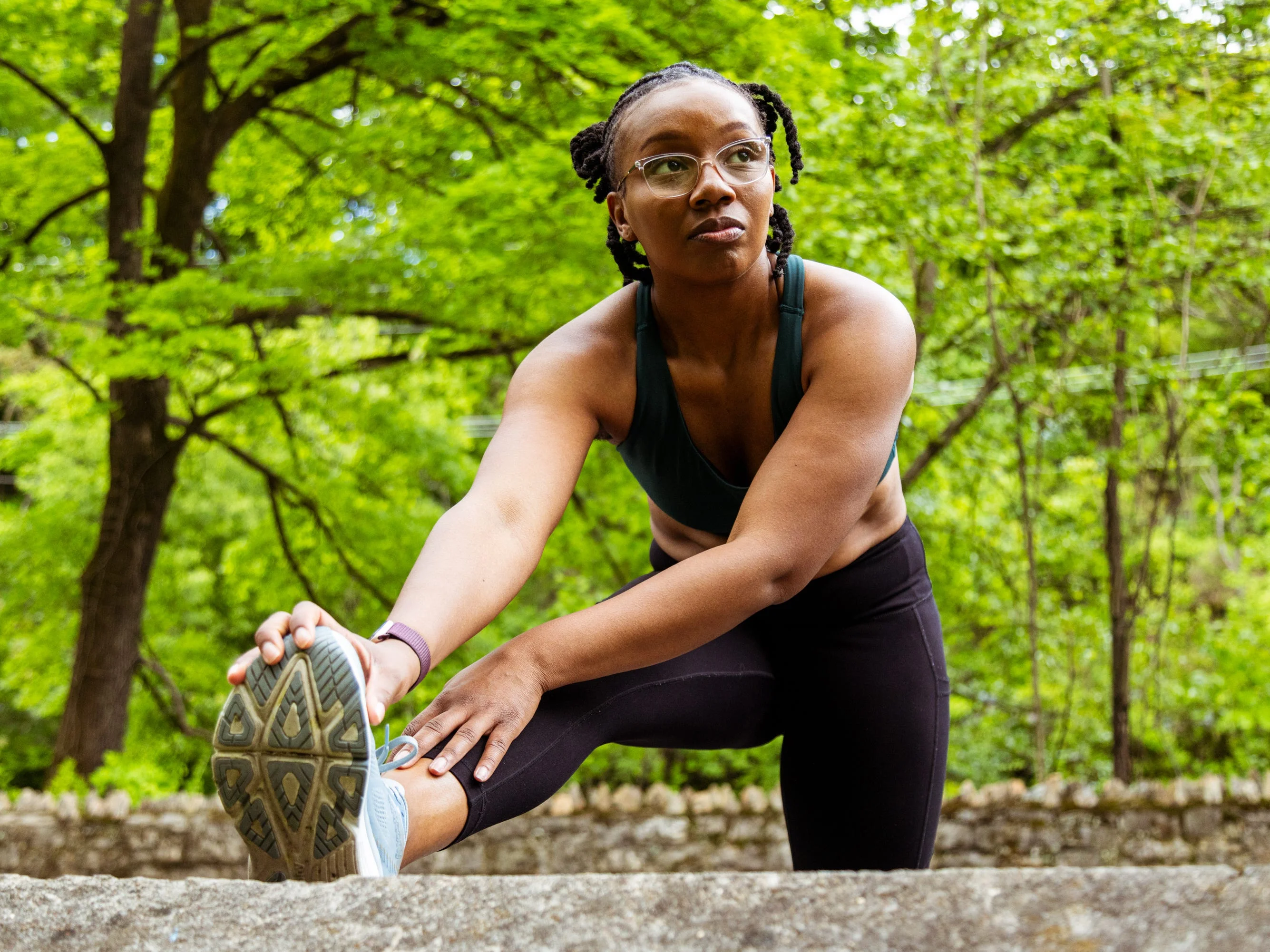
If you’re new to running or speed training, start small. Strides—short accelerations of roughly 20 to 30 seconds—can go in the middle or at the end of an easy run. They help connect effort with running form, Hirt says. Start with at least three, build toward five over a few weeks, then consider hill strides before moving on to more demanding workouts.
For runners who already have a fitness base but feel anxious about structured intervals, Stephanie Kessell, an elite marathoner and Runna’s head coach, suggests making the opening repetition about 10 seconds per mile slower than the target. If your goal is an 8:50 pace, begin at 9:00, then pick it up in later reps if you feel strong. It’s a gentler entry and gives you a chance to learn what the session demands.
“I think a lot of people, who are new to intervals, give themselves a hard time because they’re maybe falling off the paces—faster or slower—and they just want to feel that they can get the pace right,” Kessell says. Her point is that confidence grows with practice: “The more pace work you do, the more confident you’ll be at executing a certain pace.”
Why Speedwork Matters for Half Marathoners
Speed training is often associated with shorter races such as the 5K or 10K. That’s too narrow a view. It can also help half marathoners and marathoners, including people who use walk breaks.
Workouts during a half marathon training block can improve coordination, stride control, and strength, Kessell says. Strength training, mobility work, and form drills can support those gains too.
A walk interval is an opportunity to reset form and breathing—it’s not a break.
Faster running also increases the load on your tendons, which help propel you forward. “Tendons act a bit like springs, storing energy when your foot lands and releasing it as you push off. Running faster increases the forces passing through these structures, providing a stimulus for adaptation,” Kessell explains. With suitable recovery between efforts, tendons can adapt to those loads and become better equipped to handle them.

That adaptation depends on balance. A plan that asks you to run hard every day can raise the risk of overtraining and injury, so speed belongs alongside easier running and recovery. My plan rotated intervals—including 800-meter repeats and combinations of 1,000- and 200-meter repeats—with tempo runs and long runs that included miles at race pace or faster every other week. The mix broadened my pace range and built speed endurance, or the ability to sustain quicker running for longer, Kessell says.
I also noticed a difference in my form. Long runs used to bring tension into my shoulders; as training progressed, my posture felt stronger and more relaxed even when I pushed the pace. Hirt says short, fast sessions can build the strength runners need when form begins to deteriorate late in a longer race. That’s the thinking behind “fast before far.”
By the end, I no longer dreaded the speed workouts. They became one more way to work toward my goal, and showing up for them got easier.