Best Advanced GPS Watches for Running, Ultrarunning, and Trail Adventures
Advanced GPS watches earn their place when a run gets long, remote, or complicated. Most runners don’t need satellite links or trail maps to get through a daily workout. But if you’re heading into poorly marked woods, racing an ultramarathon, or switching between running and other sports, those extras can matter. Here’s the thing: the best watch for an everyday runner may be the wrong tool for someone who spends hours beyond cell coverage.
I test running watches across long efforts and varied terrain, then weigh their features against the people who’ll actually use them. My ultraruns can stretch to 50, 75, or 100 miles, often on rough, faintly marked trails in Upstate New York where phone service may disappear. I also use watches for Hyrox, kayaking, paddle boarding, strength training, hiking, and skiing when there’s snow. Even city running can challenge GPS: New York’s tall buildings sometimes interfere with reception.
That’s the standard behind these picks. The category brings together watches with features such as cellular or satellite connectivity, off-road maps, tougher cases, and broader multisport support. Those capabilities add value when your plans demand them; otherwise, they can mean paying for more watch than you need. If you’re choosing gear for backwoods adventure running or ultras, the added capability is the point.
For more context, see our reviews of running watches and the products that earned a place on our lists. You can also browse our picks for wireless headphones for running, headlamps for runners, and basic running watches.
Best Advanced GPS Watches for Running
- Best Overall: Garmin Fenix 9 Pro Solar
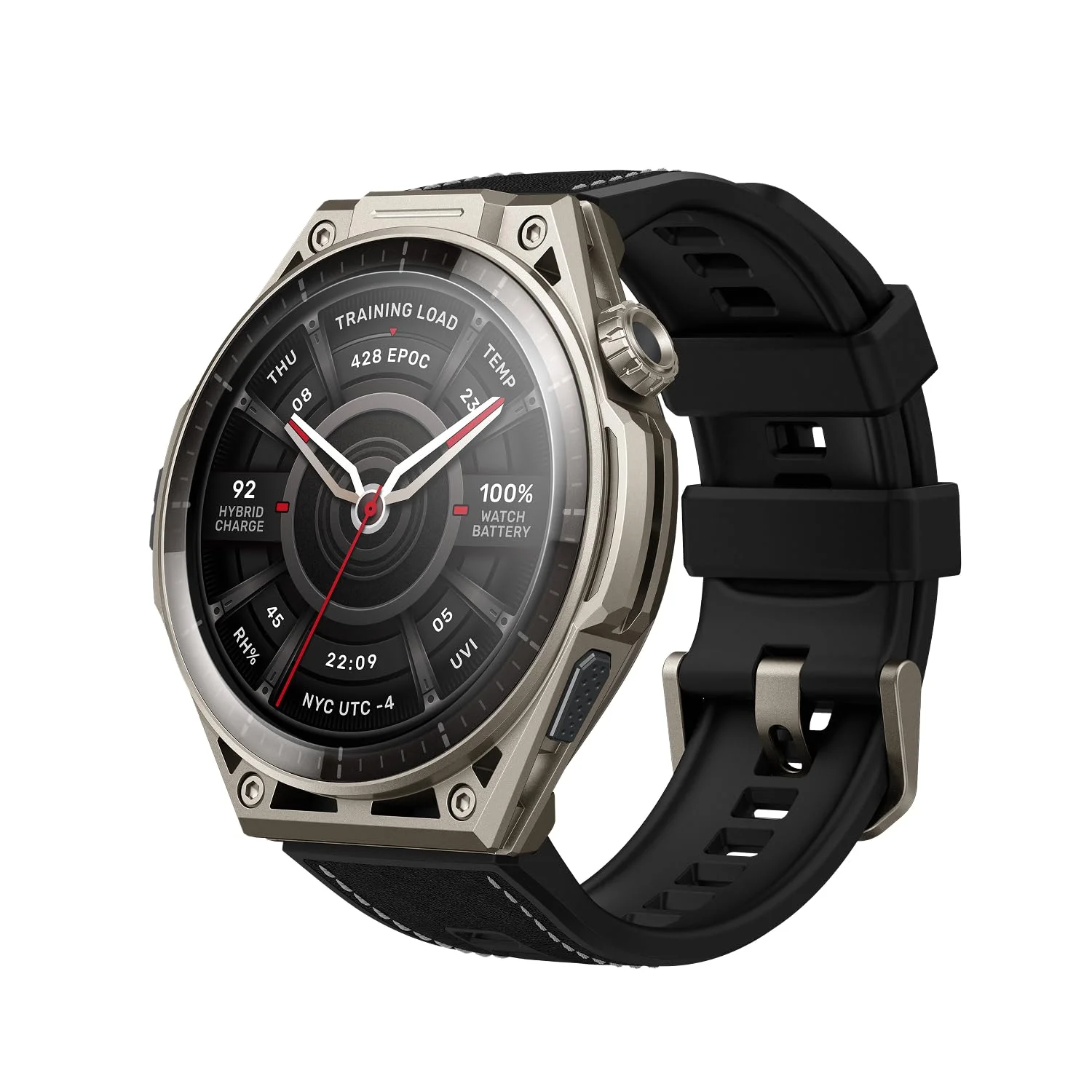
- Best Budget: Amazfit Balance Ultra
- Best for Rucking Miles: Garmin Enduro 3
- Best for Multisport Runners: Suunto Vertical 2
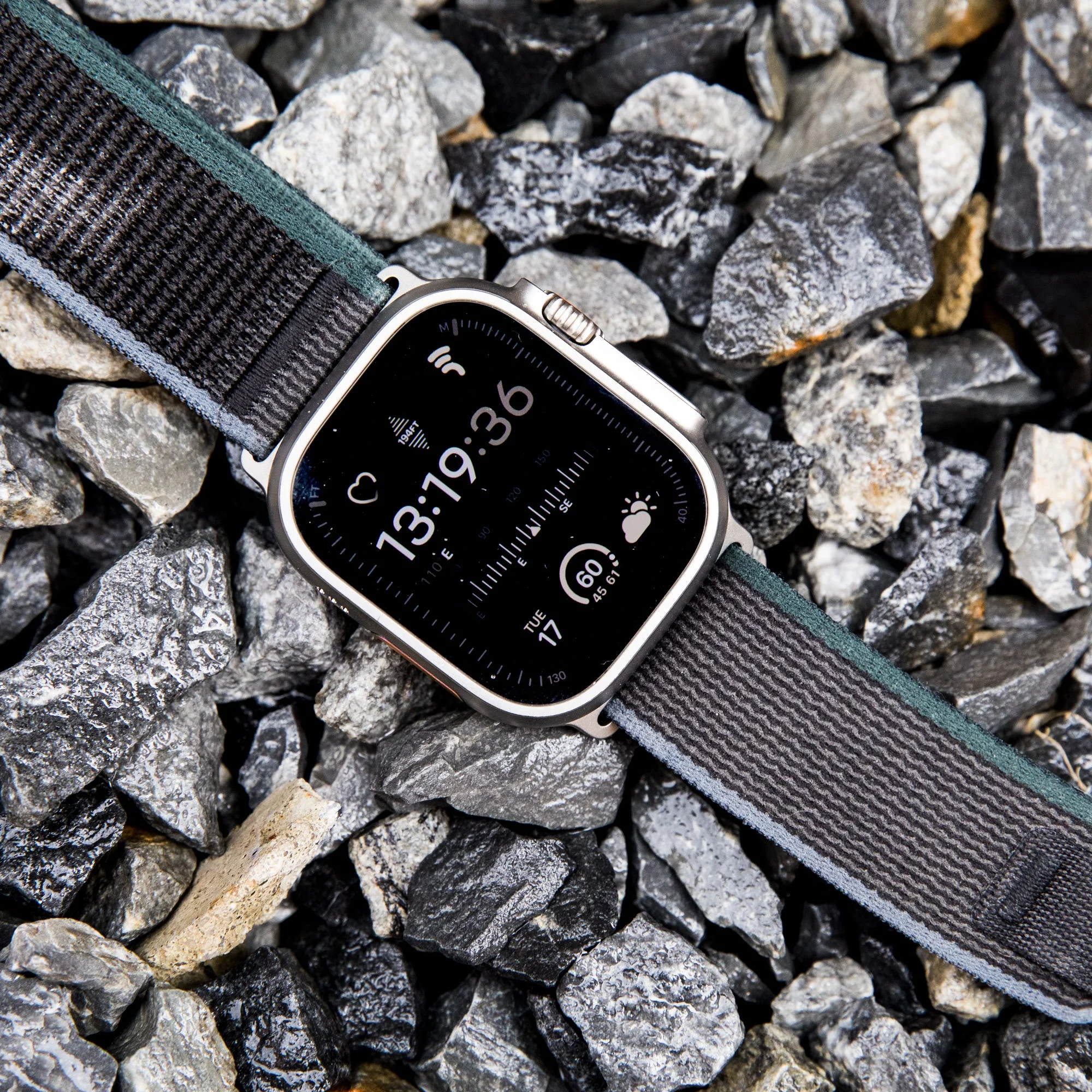
- Best for iOS Fans: Apple Watch Ultra 4
- Best for Marathoners: Garmin Forerunner 970
Full Reviews
Best Overall: Garmin Fenix 9 Pro Solar — $1,100 at Amazon.
Garmin Fenix 9 Pro Solar
After more than 300 miles with the Fenix 9 Pro Solar, I’d call it close to the best running watch I’ve tested. The catch is a small but persistent delay: starting a workout or advancing to the next lap takes roughly half a second to a second, a hitch I didn’t experience on the Fenix 8. Garmin Connect remains the companion app, too—a familiar frustration that Garmin still hasn’t addressed.
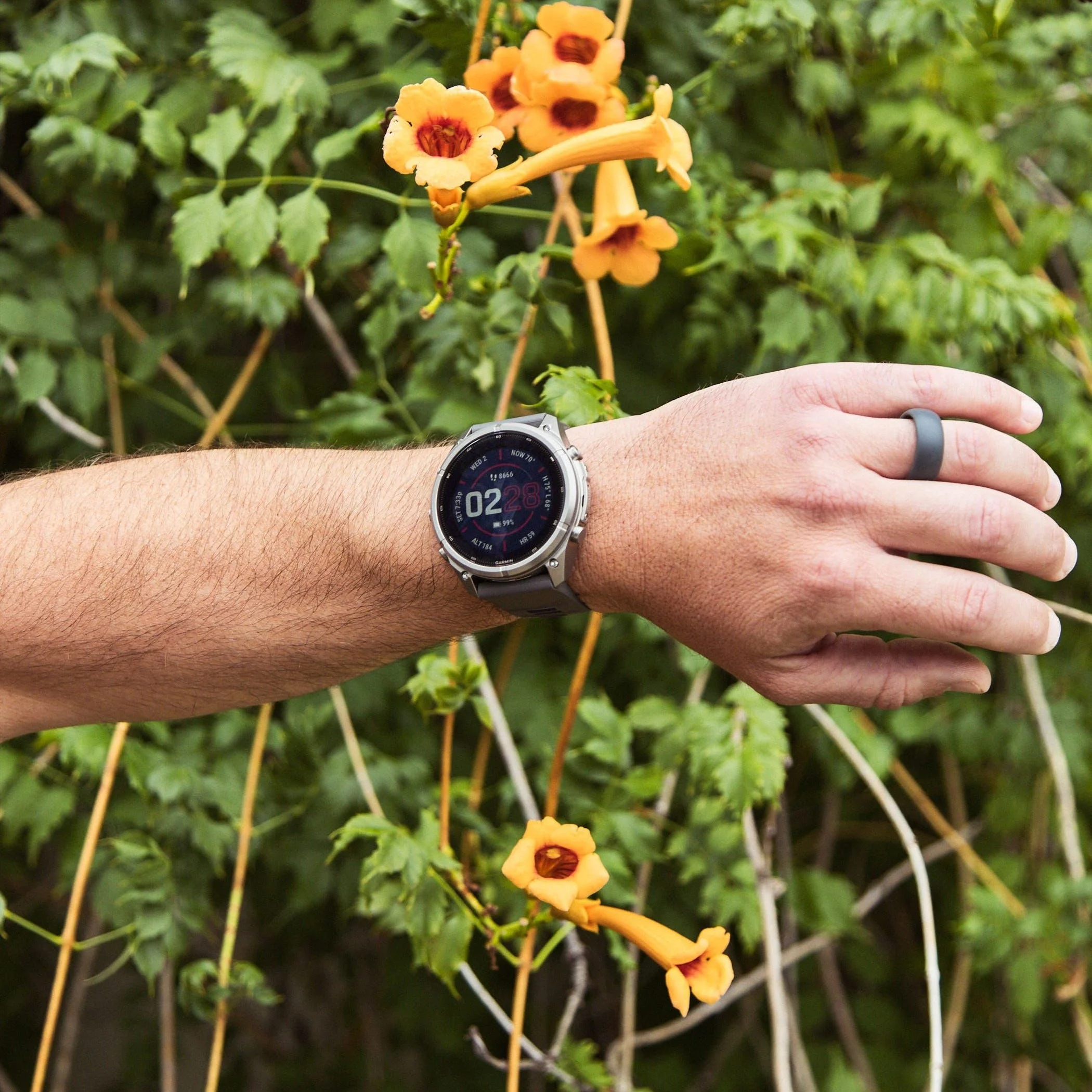
Here’s the bigger story: the solar model’s battery endurance puts it in a different class for long outings. Garmin rates the 51mm version for up to 57 days in smartwatch mode with solar, and the 47mm for up to 34 days. In the 51mm’s maximum battery GPS mode, the stated figures reach 186 hours without solar and up to 1,000 hours with it.
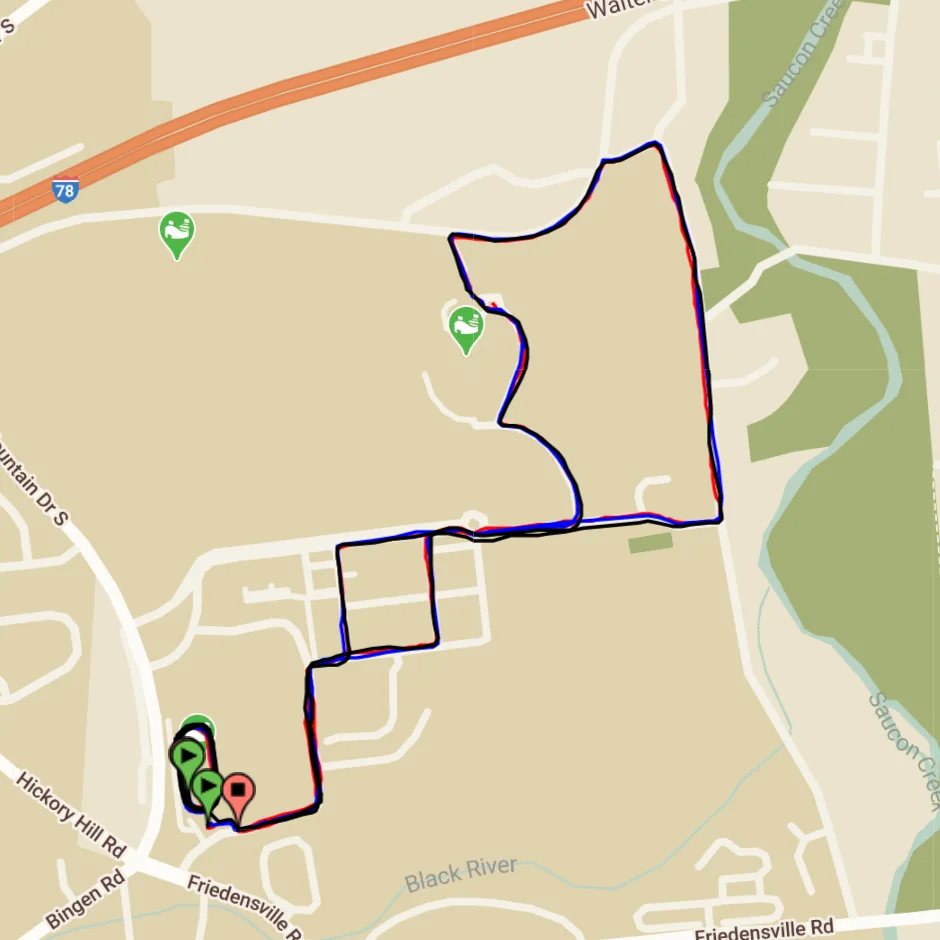
I tested that promise on remote Adirondack trails, where the watch had to rely entirely on satellite reception. After 12 hours, the battery had barely moved. That’s a striking result for anyone who runs far from charging points, though the published maximums depend on size, settings, and solar exposure.
Price: $1,099.99 at Amazon, with options at Walmart and Macy’s.
Pros: Light on the wrist, long battery life, solar option, and ample storage.
Con: A noticeable delay when starting workouts and switching laps.
- Battery life: Varies by size and configuration; listed range starts at 10 days and extends up to a month.
- Weight: 91 g
- Flashlight: Yes, with multiple colors and modes
- Satellite connection: Yes
- GPS: Multiband
- Cell connectivity: Yes
- Water resistance: Up to 40 meters
The Fenix 9 Pro Solar’s strongest case is how much confidence it inspires outdoors. Its multi-band GPS, guided by SatIQ, finds a signal quickly and performs exceptionally well. InReach satellite connectivity adds a safety net on remote outings, though I still carry a dedicated SatCom.
For a watch with this much hardware, it wears lightly. Garmin has given this Fenix a titanium case, sapphire lens, and 10 ATM water resistance; mine has handled rain, sweat, and post-run ocean swims without trouble. The training metrics are extensive, and Epic, Garmin’s new multiday activity tracker, adds another useful layer. The interface also stays manageable with wet, sweaty, or salty fingers.
The small feature I reach for most often is the built-in flashlight. Its brightness adjusts, and it offers white, red, and green light. That’s handy on dark morning runs—and, less dramatically, when I’m searching the bottom of my purse.
The standard Fenix 9 is a capable option. Still, the Pro Solar is the model I’d choose: it brings together fast navigation, backcountry communication, durable materials, and useful training tools in a watch that doesn’t feel cumbersome.