A Personal Milestone: Setting My Best Record at the London Marathon
|
5 min read
Revisiting the London Marathon: A Personal Celebration
This year's London Marathon marked an extraordinary milestone in the marathon world. With not just one but two athletes crossing the finish line under the two-hour mark, the event showcased outstanding athletic ability. Additionally, it struck a new record with 59,830 finishers participating—an unprecedented figure that further emphasizes the marathon's growing popularity. I was fortunate to experience this historic event firsthand, running alongside Apple and a diverse team from around the globe. Reflecting on my journey, the London Marathon was my initial foray into distance running thirteen years ago; it ignited my passion for the Majors. Back then, in 2013, there were merely 34,280 finishers. How far we've come!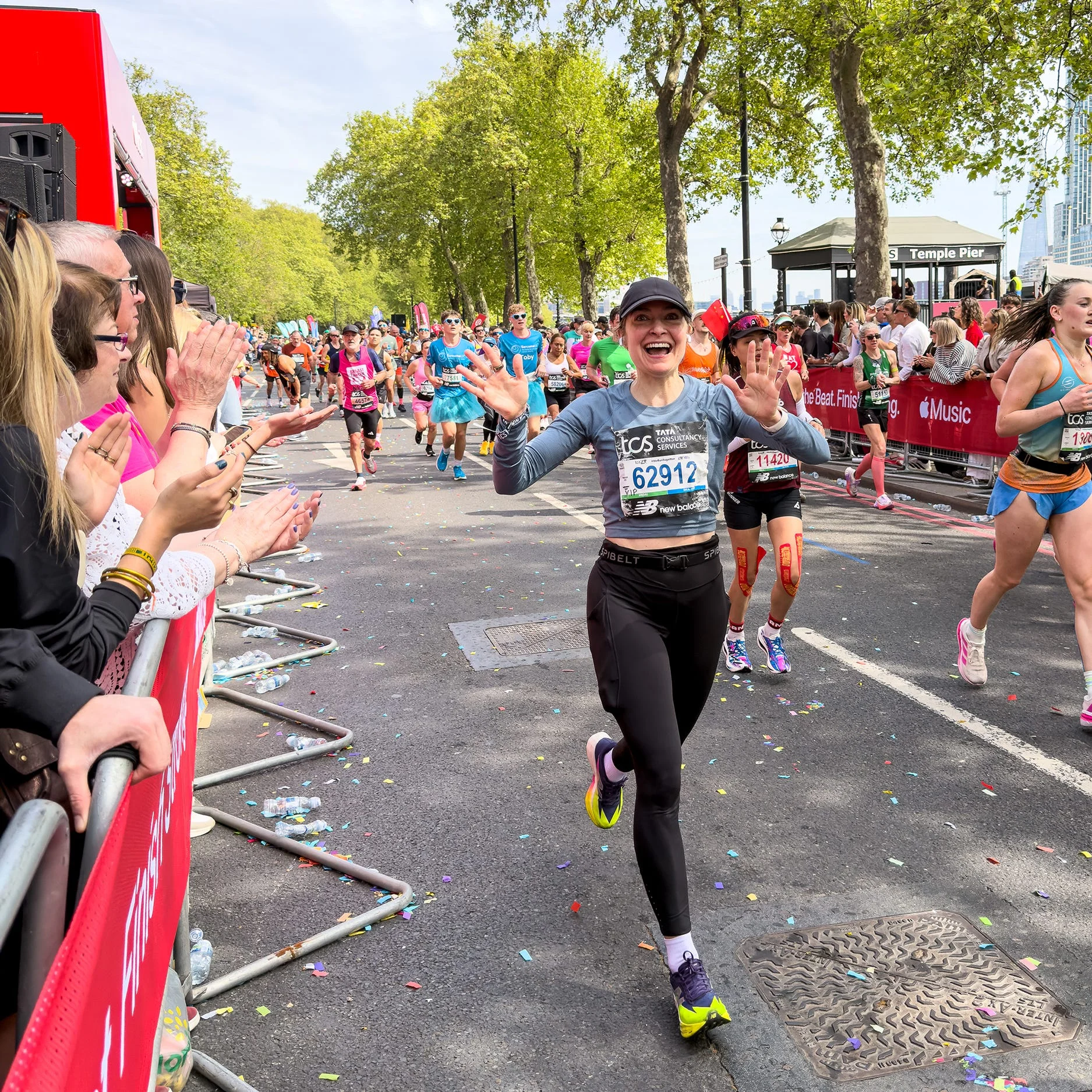
Pricing and Availability
The Apple Watch Series 11 is currently available for $329 at major retailers, which is down from its original list price of $399. You can find it at multiple outlets, including [Amazon](https://www.amazon.com/dp/B0FQFL8PZ5?tag=runnersworld-auto-20), [Walmart](https://goto.walmart.com/c/3006986/565706/9383?veh=aff&sourceid=imp_000011112222333344&subId1=ruw&subId3=xid:%7Bxid%7D&u=https%3A%2F%2Fwww.walmart.com%2Fip%2F17828855920%3Fselected%3Dtrue) for the same price, and even at [Target](https://goto.target.com/c/3006986/81938/2092?subId1=ruw&subId3=xid:%7Bxid%7D&u=https%3A%2F%2Fwww.target.com%2Fp%2Fapple-watch-series-11-160-gps-160-42mm-160-jet-black-aluminum-case-with-black-sport-band-s-m%2F-%2FA-91122508) for just $300. If you're in the market for a smartwatch, the price drop here is significant, especially considering the features it offers.Pros and Cons
Let’s break down the advantages and drawbacks of the Apple Watch Series 11, keeping in mind how these factors impact user experience. **Pros:** 1. **Accurate GPS tracking:** It boasts impressive GPS functionality, crucial for runners needing precise location data. 2. **Versatile Style:** Its design makes it appropriate for both workouts and casual settings—an all-around accessory. 3. **Bright, user-friendly touchscreen:** Users have noted that the display is not only vibrant but also intuitive, enhancing usability. **Cons:** 1. **Less effective buttons:** If you compare the button functionality to dedicated GPS watches, the utility here seems lacking. 2. **Frequent charging needed:** A common pain point: many users have reported needing to charge it daily, which can be inconvenient for those hoping for a long-lasting device. These evaluations provide insight that goes beyond surface-level impressions; it’s essential to consider how these features fit into your lifestyle, especially if you're an active consumer or an athlete.Key Specifications
For those focused on details, here’s a quick overview of the watch's critical specifications: - **Size:** 42 mm - **Connectivity:** Equipped with GPS, Bluetooth, and Wi-Fi, making it versatile for multiple use cases. - **Battery Life:** Offers up to 24 hours, though real-life experience suggests that daily charging will be necessary for heavy users. These specifications could make or break your decision on whether to opt for the Series 11, depending on what you're specifically looking for in a smartwatch.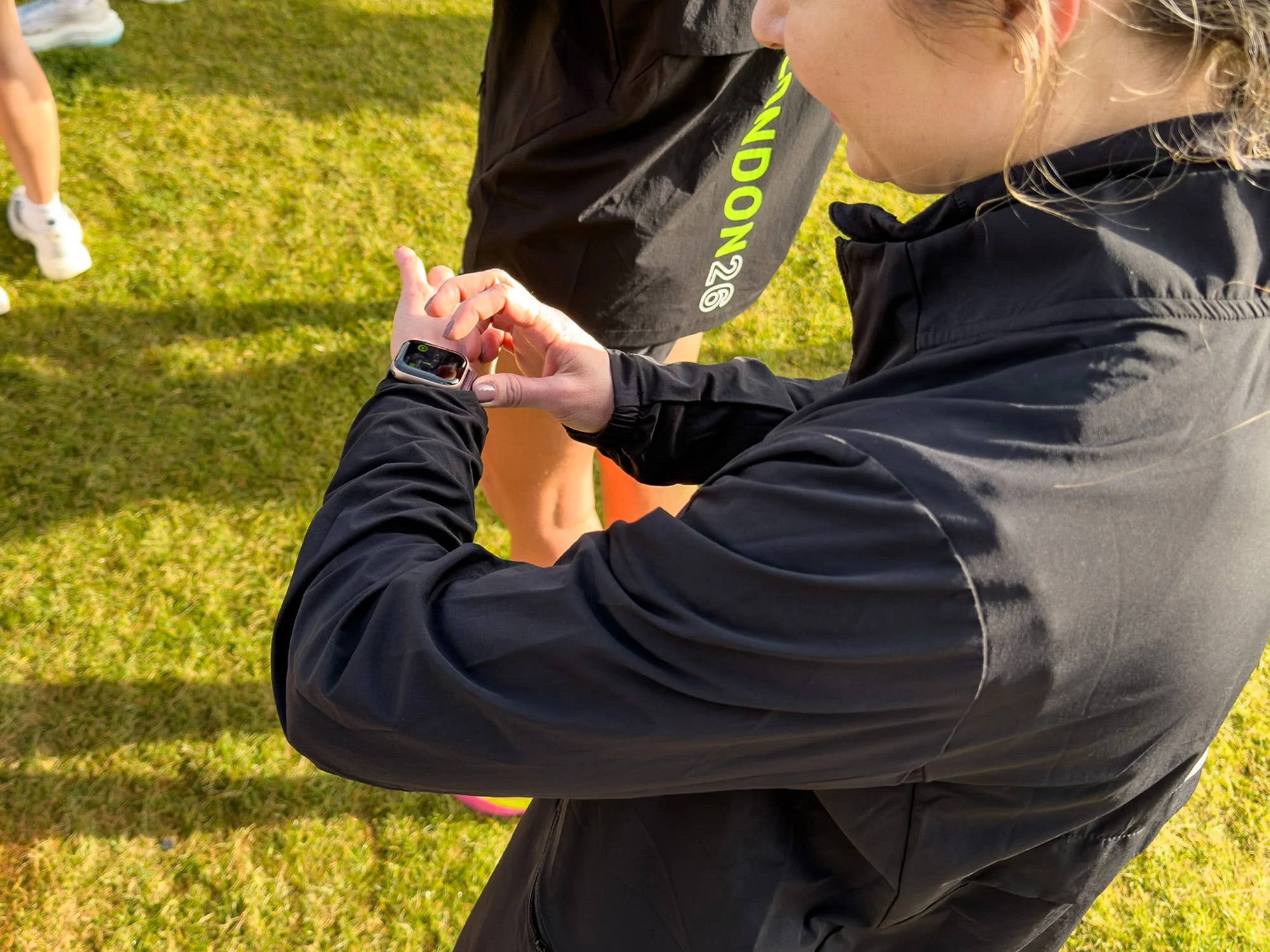 Courtesy Caitlin Carlson / STAK / Apple
Rethinking Running: Beyond the Gear
The evolution of running gear since 2013 has been nothing short of transformative, most notably with the popularization of carbon-plated shoes. Initially sparked by Nike’s Vaporfly 4% launch in 2017, this innovation has empowered runners at all levels to significantly slash their marathon times. I personally tested this out by completing the London Marathon in New Balance's FuelCell SuperComp Elite v5—a shoe that’s as comfortable as it is efficient. Yet it’s important to remember that while these high-tech shoes can elevate performance, they’re not universally beneficial. Some runners find the characteristics of carbon plates distracting or unhelpful, as highlighted in [this article](https://www.runnersworld.com/gear/a65269353/super-shoes-injury/), indicating there's still a lot to consider when choosing footwear. But the shoe market isn't the only area where radical advances have occurred. The Asics GEL-Nimbus v28, a longstanding favorite among distance runners, has also seen incremental improvements, shedding weight while preserving stability and comfort. I felt the difference on long runs; the updated model helped my recovery more than I anticipated. It’s these nuanced improvements in familiar models that often get overshadowed by the flashier tech, and they're worth the spotlight.The Changing Face of Training and Support
Aside from advancements in gear, there's been a sea change in training methodologies and community engagement. My approach to nutrition is meticulously tailored now, a significant upgrade from whatever half-hearted "strategy" I had in 2013. Implementing a structured fueling plan during races has become commonplace. I prefer to take gels every three miles—specifically, [Maurten gels](https://www.amazon.com/MAURTEN-Energy-Carbohydrates-Stomach-Friendly-preservatives/dp/B07H319S3V?th=1), which I found particularly effective. And let’s not overlook the importance of hydration—I'm regularly supplementing with [SaltStick Fast Chews](https://www.amazon.com/SaltStick-Electrolyte-FastChews-Chewable-Hydration/dp/B0FN4TR316/) to maintain balance. These small tweaks in diet are borne out of increased knowledge about the necessity of proper fueling and hydration strategies. Moreover, as my understanding of recovery has matured, I've learned just how critical sleep is for performance—a factor that was hardly discussed back in the day. Monitoring my sleep patterns is now fundamental to my training. This attention to recovery methods—like mobility routines, compression wear, and even incorporating massage techniques—has exponentially improved my overall performance output.Community and Mentality: The Other Half of Performance
Interestingly, the sense of community around the running culture has also evolved. My experience in London—where I connected with a diverse group of runners and trainers—emphasizes this shift. The moments spent leading up to the race, engaging in warm-ups, yoga sessions, and sharing meals, instilled a sense of camaraderie and accountability that can be incredibly motivating. This wasn’t just about completing a race; it was a profound display of support that played a critical role in my mindset. I realized the marathon isn't purely a physical test but also a mental battle. The advice from Apple Fitness+ Trainer Josh Crosby—“Trust your training, respect the distance, don’t forget to smile”—has never resonated more. This encapsulates not just the physical elements of running but emphasizes the psychological aspect, making it clear that mental preparation is just as critical, if not more so, than lacing up the latest high-tech shoes. In the end, what we’ve witnessed since 2013 isn't merely an innovation in running technology; it's a comprehensive evolution of our understanding of endurance sports as a whole. If you’re in this space, discerning how gear, nutrition, recovery, and community interact will set you apart. The future of running may lie in harmonizing these advancements with our innate understanding of ourselves, giving everyone the potential for personal bests, no matter their age or experience level.
Source:
Christopher Davis
·
https://www.runnersworld.com/gear/a71231644/how-data-helped-me-run-my-best-marathon/