We Love to Train and Race in These 7 Adidas Running Shoes
Editor’s Note, September 23, 2026: Several Adidas shoes on this list are on sale, with the Supernova Prima 2 up to 40% off on Amazon. The Ultraboost 5X and Supernova Rise 3 are currently on a 25% discount. Finally, just in time for racing season—as Adidas ushers in the Pro 5—the Adizero Adios Pro 4 marathon racing shoe is on sale, with 20% off. Colors and sizes are limited, but we provided other retailers sites when applicable.
The three-stripes are etched into our minds like Nike’s Swoosh and Puma’s cat. The brand has reams of race cred, with two of its sponsored athletes breaking two hours at the London Marathon. Marathon winner Sebastian Sawe, second-place winner Yomif Kejelcha, and women’s division winner Tigst Assefa wore the brand’s Adidas Adizero Adios Pro Evo 3—which sold out in minutes upon its release. But our testing and inclusion of Adidas’s shoes in our Shoe Awards is a sign that the drop was no gimmick—this brand knows what it’s worth.
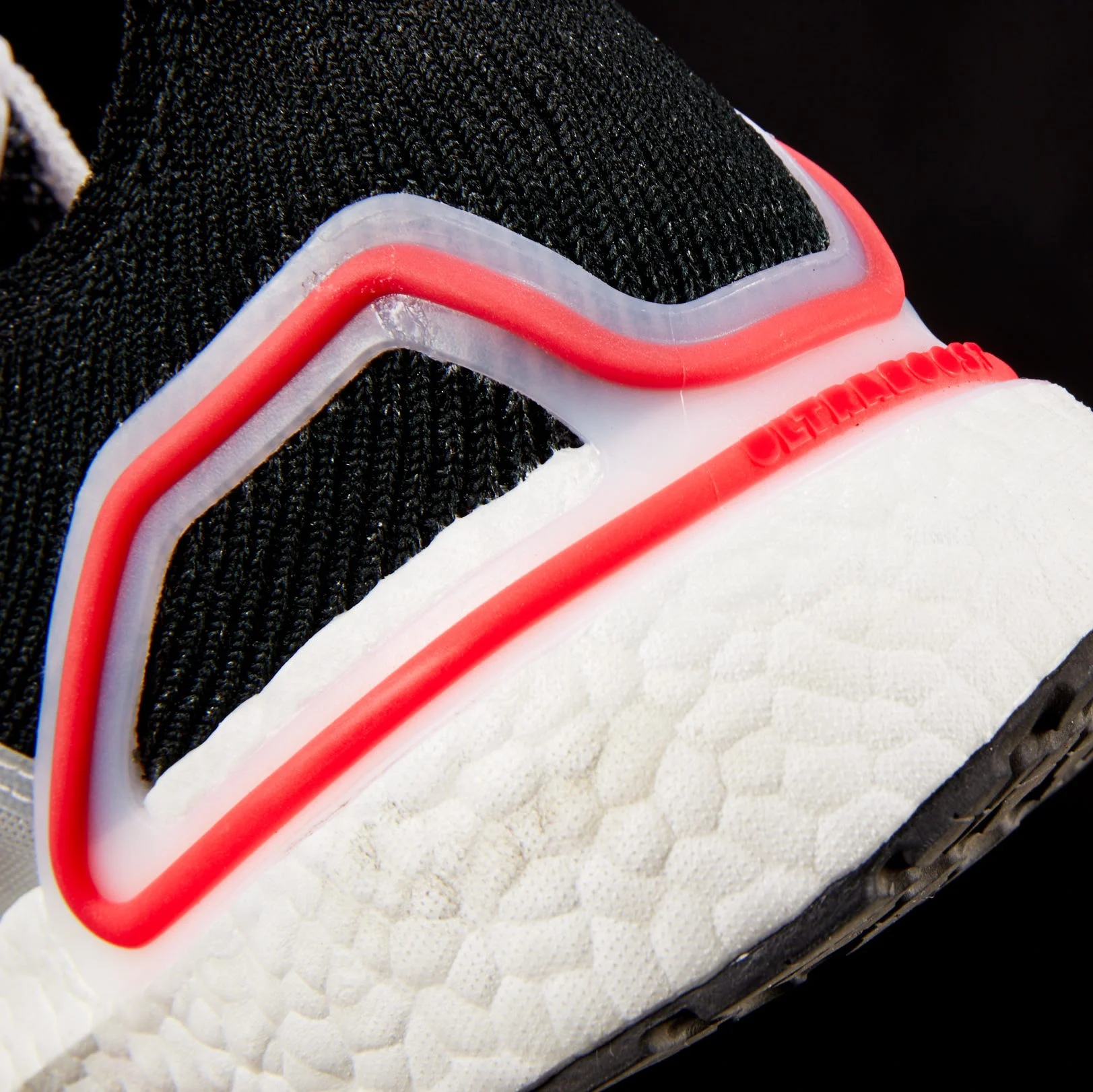
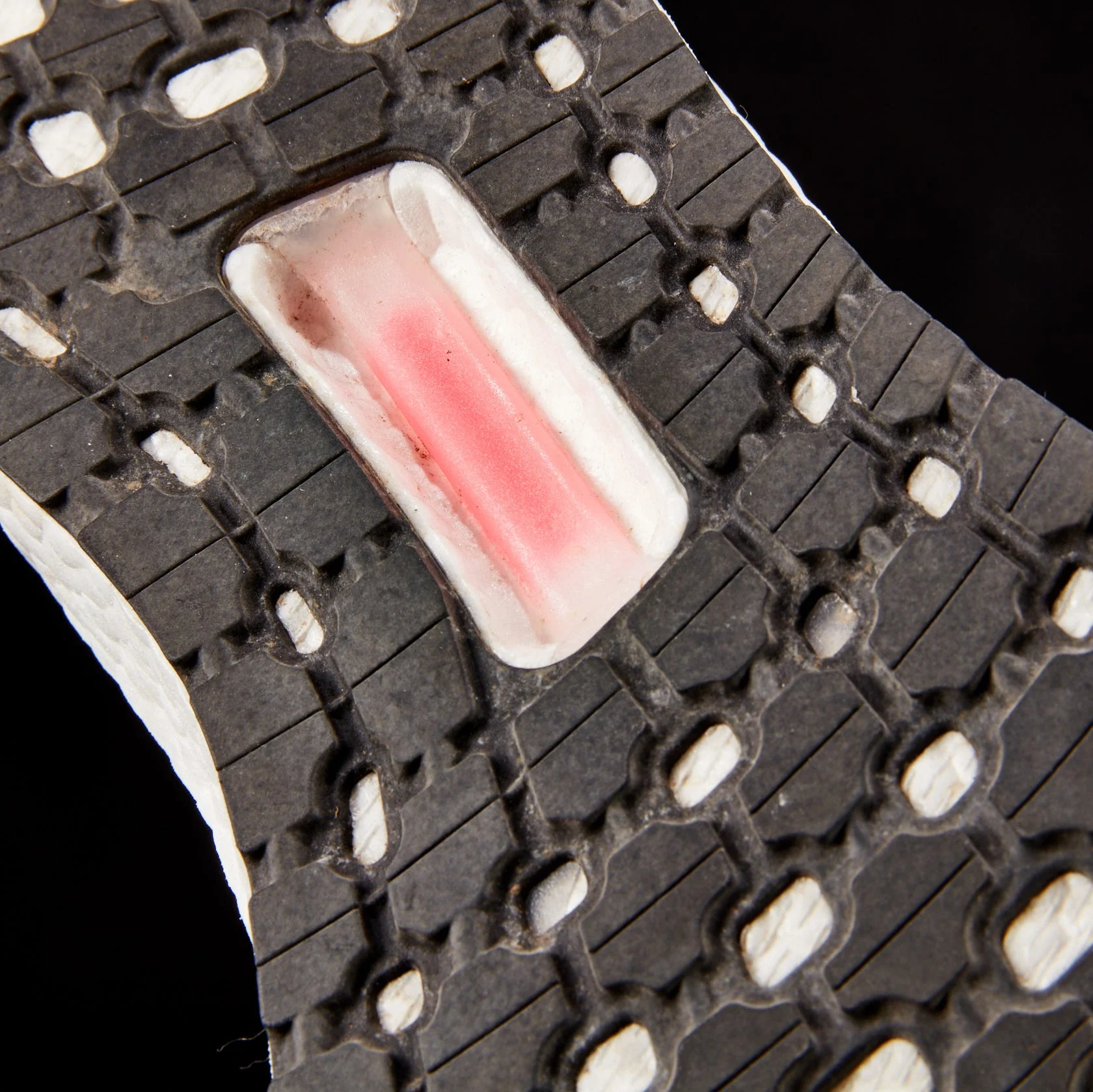
The brand introduced its renowned Boost more than 10 years ago, a durable, responsive foam resistant to extreme temperatures. More recently, learnings from the development of its pinnacle racing shoe, the Adios Pro, have bled into newer versions of its shoes, like the Takumi Sen. We’ve included the latest iterations of these shoes as well as what to look for when you’re out shopping Adidas’s kicks.
Best Adidas Shoes for Runners
- Best Overall: Adidas Adizero Evo SL (Men’s/Women’s)
- Best Super Trainer: Adidas Hyperboost Edge (Men’s/Women’s)
- Best for Stability: Adidas Ultraboost 5X (Men’s/Women’s)
- Best for Speedwork: Adidas Supernova Rise 3 (Men’s/Women’s)
- Best Lightweight Stability: Adidas Supernova Prima 2 (Men’s/Women’s)
- Best for Racing: Adidas Adizero Adios Pro 5 (Men’s/Women’s)
- Best Hybrid: Adidas Adizero Evo SL ATR (Men’s/Women’s)
How We Selected
Our gear team puts in hundreds of miles to find the shoes best suited for every type of run and runner. The shoes on this list were chosen based on comparisons to competitors’ models as well as past iterations of the trainers. Using this system, we select shoes based on fit, comfort, and ride.
Our team of 300-plus local wear-testers provided valuable feedback on each pair, giving insights on how the shoe fares on different foot types, gait patterns, and foot strikes. I also ran in the shoes and researched newer models online.
Full Reviews
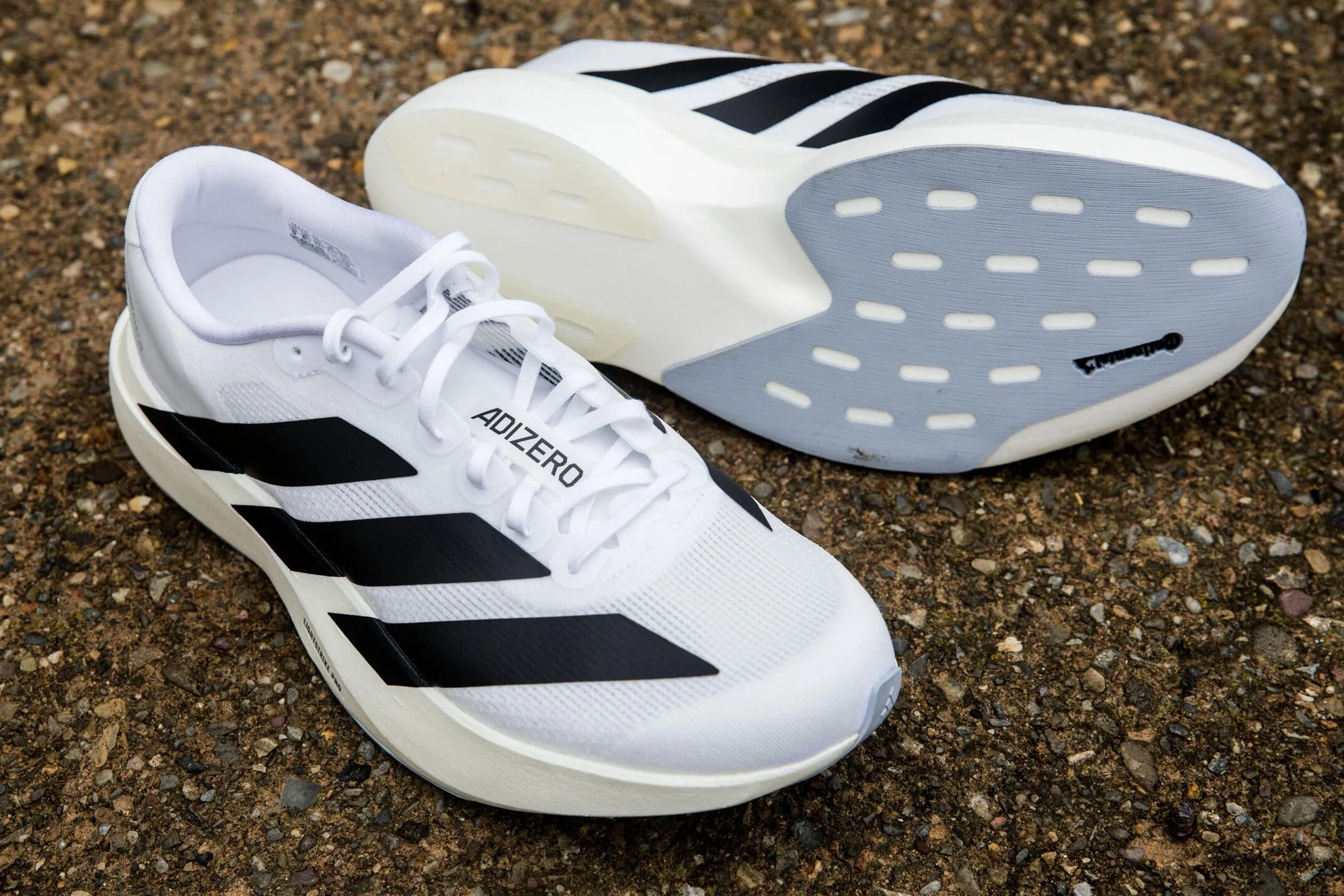
Adidas Adizero Evo SL
Pros
- Lightweight and versatile for everyday training and speed workouts
- Comfy accommodating fit, breathable upper

Cons
- Tongue goes askew midrun, flimsy


Features at a Glance
| Weight | 8.1 oz (M), 6.6 oz (W) |
| Drop | 7 mm (M), 6 mm (W) |
At RW HQ, the Evo SL is known as the shoe Runner-in-Chief Jeff Dengate swears he’ll eat if a better one comes along. This is because he claimed it was the Shoe of the Year in our 2025 Shoe Awards back in February. It’s been two years since this premature claim, and I think it’s safe to say Dengate is in the clear. Its versatility cannot be denied. The shoe has highly responsive super foam and an affordable price you shouldn’t sleep on if you’re looking for a lightweight everyday trainer or speedwork shoe—or both.
“I was pleasantly surprised by this shoe,” said tester Eileen Cody, who liked the Evo SL’s pep on tempo repeats and its supportive cushioning for daily training. “I have not often been a fan of Adidas, but this one was an exception. When Jeff [Dengate] gave me the shoe to test he said something along the lines of ‘this is just a daily trainer, but I keep reaching for it,’ and I can see why. It was a shoe that I kept going back to see what it could handle.”
One annoyance with the shoe is its tongue. It kept bunching up or twisting to the side midrun. This drawback was minor, however. Testers still showered the Evo SL with praise and gave it top ratings for its comfy fit and peppy ride.
Shop Men’s at adidas.com | Shop Women’s at adidas.com
Pros
- Responsive PEBA midsole
- Lightweight despite high stack
Cons
- Stiff upper
- Shoelaces made tightening painful on instep for some
| Weight | 9 oz (M), 7.6 oz (W) |
| Drop | 6 mm |
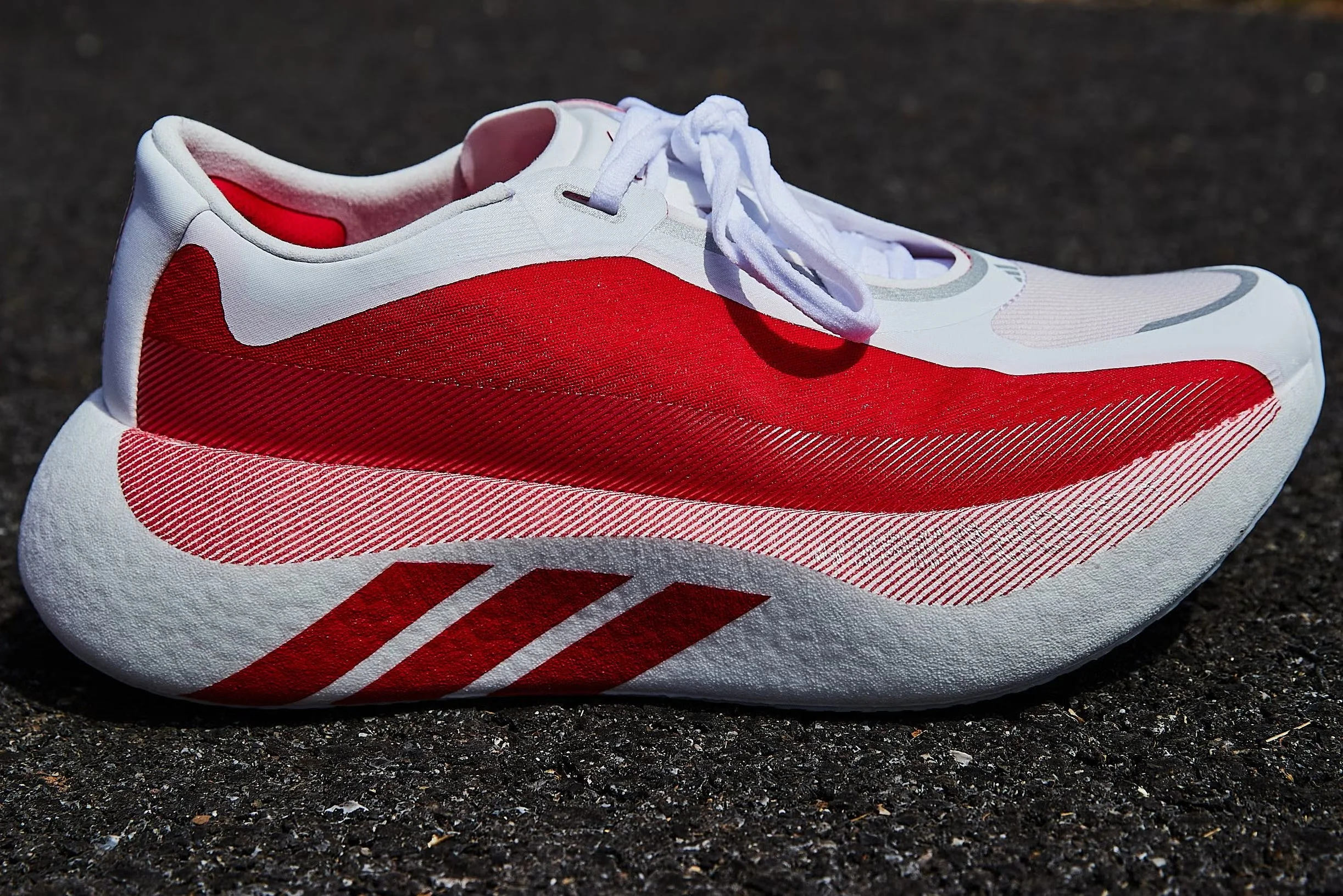
The Hyperboost Edge looks colossal with its billowing midsole and tall stack height (45 mm), but the shoe is surprisingly lightweight—and very responsive. At The Running Event, Adidas told me the team set out to disrupt the market with a bold, unique concept. Visually, the brand achieved its goal, but the proof is in the pudding: the ride.
The Hyperboost Pro foam is pelleted PEBA. The foam has the same properties as Adidas’s super shoe foam, Lightstrike Pro, which is TPE-based—but in this form it’s tuned for everyday use. What you get is a bouncy, high-rebound ride on a soft, light platform for casual everyday mileage. It makes the random “let’s go out for a run” workout fun, or weeks of base building less of a slog.
“My favorite part of the shoe was the feeling of the midsole,” said tester Gregory Jaindl. “It led to a smooth-feeling ride and felt cushioned but responsive. I think having a shoe that can be used for an easy run but also pick up the pace a little bit is needed for almost everybody and the Hyperboost Edge fits that bill.”
Shop Men’s at adidas.com | Shop Women’s at adidas.com
Adidas Ultraboost 5X

Pros
- Lightest Ultraboost yet
- Firm, supportive Lightboost cushioning
- Sock-like Primeknit upper provides snug fit
Cons
- Shoe runs hot
| Weight | 9.4 oz (M), 8 oz (W) |
| Drop | 10 mm |
The first time I tested Adidas, I immediately understood why the brand’s sturdy, firmly cushioned Boost foam is so beloved. The foam stays bouncy in the extreme cold and still feels fresh several months later. Thing was, the shoe I ran in also had the lace cage on the upper, which pressed on my instep. Adidas came out with two Ultraboosts to satisfy runners like me; the Ultraboost 5 has the lace cage while the Ultraboost 5X is without—making it even lighter.
And there’s so much more to love about the uncaged Ultraboost 5X. The Lightboost midsole shaves off more weight, making this Ultraboost the lightest yet. Built into the midsole is Adidas’s torsion system, a “bridge” between the forefoot and heel, which helps provide support during turnover. A molded external heel counter also helps with stability.
Testers leaned toward daily workouts and recovery runs as they ran in the Ultraboost 5X, appreciating the comfort of its knit upper and cushioning.
“The Adidas Ultraboost 5X was my first Adidas shoe and left me feeling impressed with the overall quality and feel,” said tester Julian Caiazzo. “The Light Boost midsole was not overly mushy but led to a responsive feel with rebound. My favorite feature of the shoe was with the knit upper; it felt like putting a sock on. I enjoyed this shoe and can definitely see this on my rotation as a daily trainer for easy days.”
Shop Men’s at adidas.com | Shop Women’s at adidas.com
Adidas Ultraboost 5X Video Review
Pros
- More cushioning, more comfort
- Lightweight and versatile
Cons
- Narrow toebox for some
| Weight | 9.6 oz (M), 8.4 oz (W) |
| Drop | 6 mm |
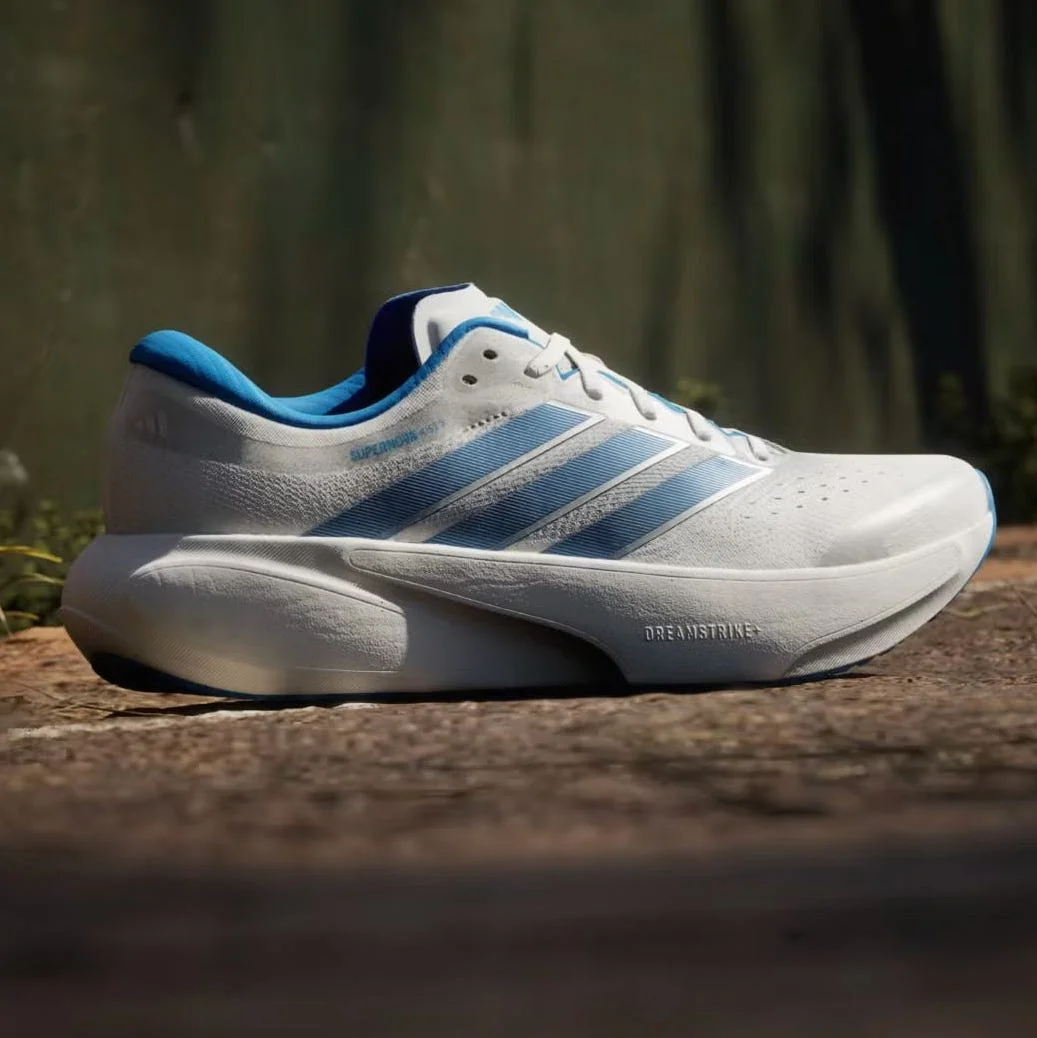
The Supernova Rise 3 has a wide midfoot to accommodate wider feet and squash the notion that Adidas’s shoes are tight and narrow.
This iteration is even softer with 1 mm of foam added in the heel and 3 mm added in the forefoot, which changes the offset from 10 mm to 8 mm. The result is better shock absorption with optimized comfort. The PEBA-based Dreamstrike+ midsole also translates to a responsive ride, making the Supernova 3 ideal for harder, faster efforts.
The Lighttraxion outsole ensures no slippage on slippery roads, while the Primeweave upper securely—and comfortably—houses your foot.
Shop Men’s at adidas.com | Shop Women’s at adidas.com
Adidas Supernova Prima 2
Adidas Supernova Prima 2
Pros
- Unobtrusive stability with support rods that run along the midsole
- Lightweight for a stability trainer
Cons
- Runs long heel to toe
Key Specs
| Weight | 9.9 oz (M), 8.2 oz (W) |
| Drop | 8 mm |
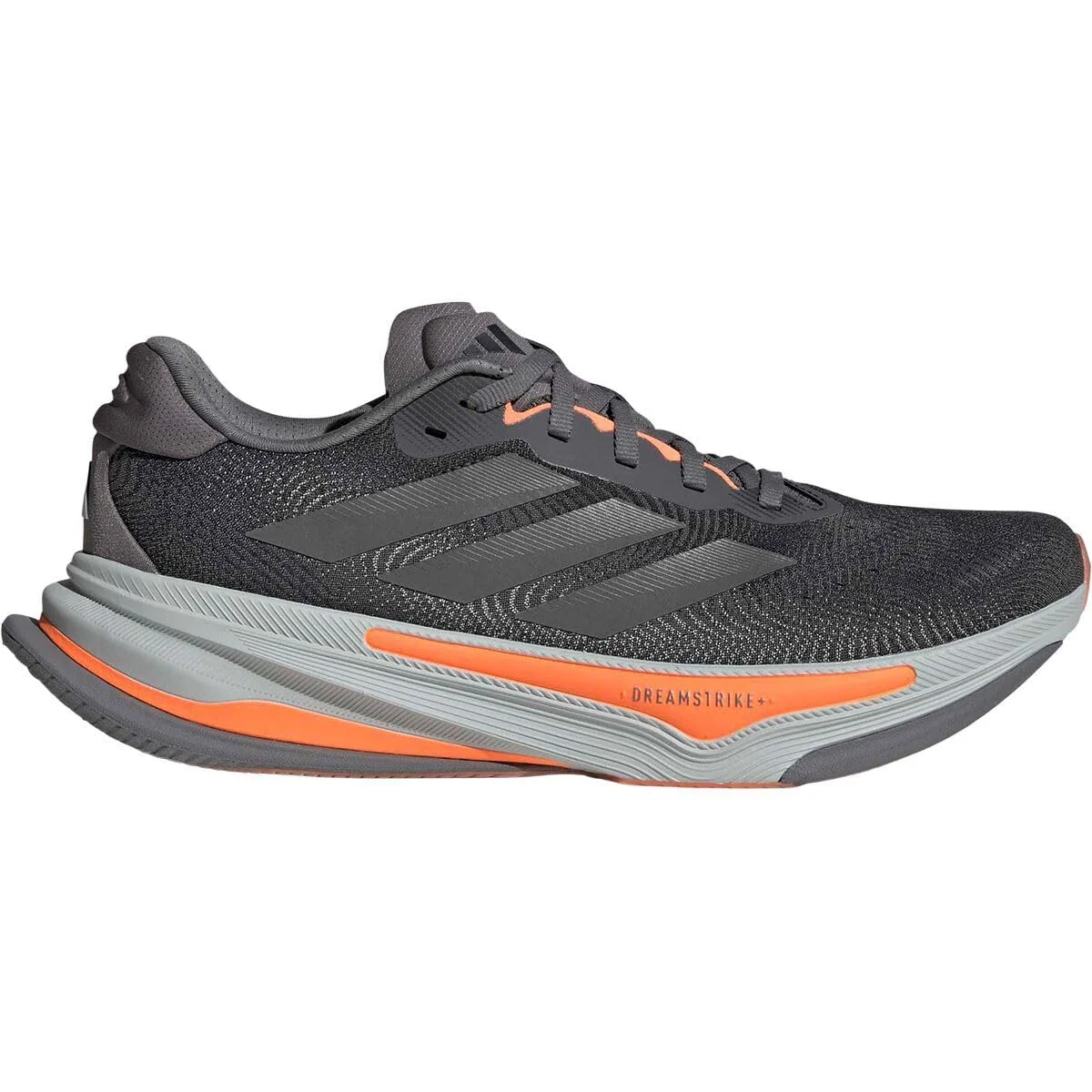
The Supernova Prima 2—the fraternal twin of the Supernova Rise 2—shares some of its neutral sibling’s upgrades. The shoe has a new woven upper that provides more airflow and has a more accommodating fit in the forefoot area.
For a stability trainer, the shoe feels remarkably lightweight on a run. One way to differentiate the Rise and Prima is by looking at the orientation of the shoes’ support rods (you can see them exposed on the bottom of the shoe). The Prima’s rods are straight, whereas the Rise’s curve inward. The straightened rods are what help with overpronation, guiding the foot as it rolls inward.
I used the shoe for speed workouts and easy jog days. One knock is that some runners found it ran a little too long.
Shop Men’s at amazon.com | Shop Women’s at amazon.com
Pros
- Carbon rim proves stable and snappy
- The midsole feels firmer but is plenty soft
- Upper tweaks may help improve the fit for those who found the Pro 4 ran small
Cons
- Arch is still quite narrow and could cause blisters for runners with wide feet
| Weight | 6.1 oz (M), 5.3 oz (W) |
| Drop | 4 mm |
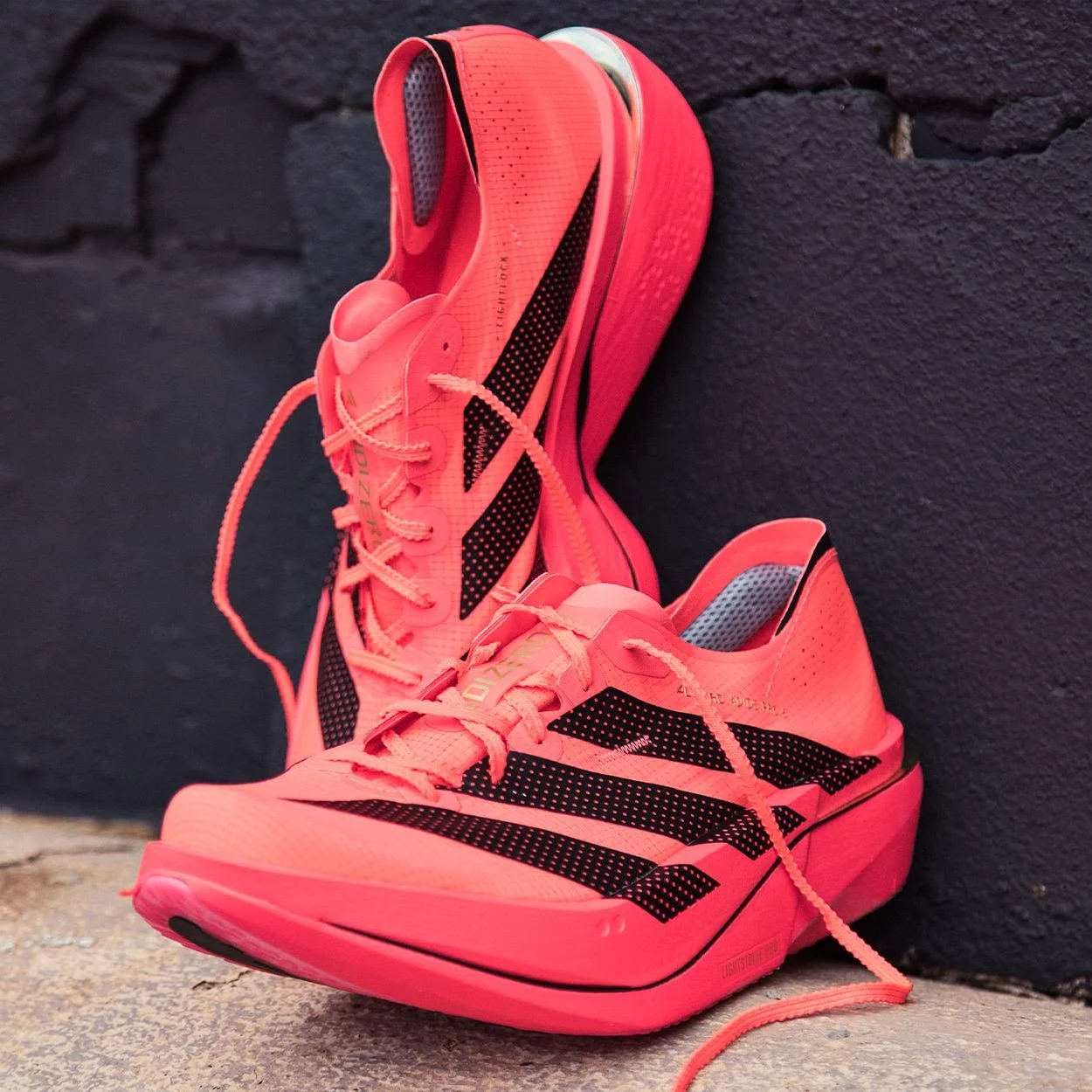
The Adizero Adios Pro Evo 3, worn by record-breaker and sub-2 marathoner Sebastian Sawe, is hard to find and half a grand. The next best thing is the Adizero Adios Pro 5, a shoe created with learnings from developing the Pro Evo 3.
The shoe has a new carbon rim, which replaces the metatarsal-like energy rod structure used in previous models for propulsion. The rim construction acts as a stabilizer, which is much-needed with the updated Lightstrike Pro foam. Adidas refined its midsole cushioning, making it slightly firmer and snappier.
Runner-in-Chief Jeff Dengate appreciated how Adidas trimmed down the Pro 5.
“The biggest improvement: weight,” he wrote in his review. “The Adios Pro has been on a diet the last few generations. My size 12 weighs just 7.3 oz, which is an ounce lighter than v4—and that shoe was a full ounce lighter than the previous model. The trimming puts the Adios Pro 5 right where it needs to be, on par with shoes like the Puma Fast-R 3, Asics Metaspeed Sky/Edge, and Nike Vaporfly 4.”
Shop Men’s at adidas.com | Shop Women’s at adidas.com
Adidas Adizero Adios Pro 5 Review
Pros
- Water-repellent upper made to withstand bad weather
- Lugs on outsole provide good traction
Cons
- Boring colors
Key Specs
| Weight | 9.3 oz (M), 7.9 (W) |
| Drop | 6 mm |
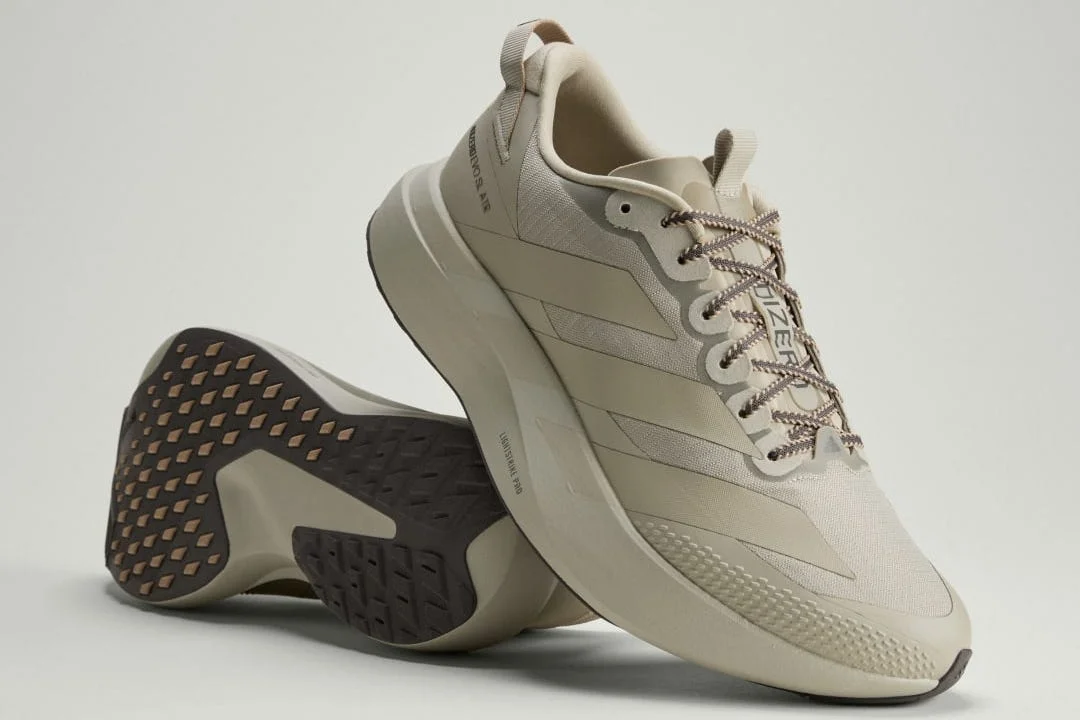
Dengate replaced the outsole of his Adizero Evo SL (after running 450 miles in it) with a Vibram outsole from a Merrell shoe last summer. He was well ahead of the curve with Adidas’s shoe release planning. The Evo SL gets the hybrid, all-weather treatment. Not only does it have dainty lugs on its Continental rubber outsole for reliable grip on slick, snowy roads—and dicey trailheads—it also has a protective ripstop mesh upper.
“I really liked the concept of this shoe, a daily trainer geared toward running in bad conditions,” said tester Chris Garges. “This winter, the Northeast has delivered bad conditions and the upper and outsole of this shoe was geared toward these exact conditions. The upper fit very well and provided great protection from wind, wet, and snow.”
Shop Men’s at adidas.com | Shop Women’s at adidas.com
What to Consider
Adidas Shoe FAQ
Find the Perfect Training Plan for You

Recommended Experience: No experience necessary! Anyone can accomplish this training plan.
Get the Plan
Recommended Experience: This plan is for a new runner who is just getting back into exercise.

Get the Plan
Recommended Experience: For a new runner who has been exercising regularly for at least a year, or someone who has completed a few 5Ks or 10Ks and can complete 6 miles in one workout. This plan peaks at 28 miles in a week with a 12-mile long run.
Get the Plan
Recommended Experience: For runners comfortable exercising for at least an hour at a moderate effort. This plan peaks at 32 miles in a week with a 14-mile long run.
Get the Plan
Recommended Experience: For a consistent runner used to regularly working out four to five times a week. The plan starts with a 10-mile long run and peaks at 44 to 47 miles a week with a 22-mile long run, helping you average under a 9:10 per mile come race day.

Cat Bowen, senior editor of commerce; reviews, is a seasoned runner with more than 20 years of distance running experience, including dozens of marathons, half marathons, and even a few ultra marathons. For over a decade, she has tested parenting, fitness, home, and running gear and written in-depth guides to help readers with their next purchase. Holding multiple advanced degrees and currently studying kinesiology, Cat Bowen brings research-backed insight to all of her guides. Passionate about women’s health and neurodivergent inclusion, she advocates for closing research gaps and helping others—especially AudHD people—find joy in running and fitness.

Amanda Furrer, Editor, Running Reviews, studied journalism at NYU and writing at Emerson College. She has reviewed gear and covered other topics in the running space for almost 10 years. Since 2013, she has consecutively run the Boston Marathon. She also has a master’s degree in gastronomy from Boston University and was formerly a professional baker for two years before hanging up her apron.