The 8 Best Walking Shoes That Give You Support and Comfort All Day Long
The best walking shoe for most people is the Asics Gel-Cumulus 28. After testing dozens of shoes over hundreds of miles, we found its combination of cushioning, stability, an 8mm drop, and secure fit works especially well for everyday pavement walking. For long distances, we prefer the On Cloudmonster 3; for power walking, the Hoka Bondi 9; and for stability, the Brooks Adrenaline GTS 25.
From casual strolls to invigorating runs, wearing a comfy pair of shoes can truly make your usual route more enjoyable. Maybe you’re toying with the idea of starting to run, or you’re a marathoner recovering after a hard race; arguably the most essential gear is a pair of shoes. Trainers with supportive cushioning and built-in stability help pad pounding on the pavement as you stroll, rush, power walk, half-jog, and, occasionally, run through your day.
There’s a reason we recommend specific styles of shoes over, say, a pair of Keds or Vans. The best running shoes mitigate the impact of moving around all day, whatever pace you’re going. Their uppers are made with lightweight materials that are both breathable and insulated to keep you content in a wide range of conditions. When we’re talking about walking, speed and responsiveness take a back seat to padding, support, and durability. A narrow platform and rocker midsole shape will help you compete, but aren’t necessarily what you want on a leisurely tour around your neighborhood.
The Best Walking Shoes
- Best Overall: Asics Gel-Cumulus 28 (Men’s/Women’s)
- Best Value: New Balance Ellipse (Men’s/Women’s)
- Best for Long Distance-Walking: On Cloudmonster 3 (Men’s/Women’s)
- Best for Hills/Incline: Hoka Clifton 11 (Men’s/Women’s)
- Best for Trails/Hospital Workers: Salomon Aero Blaze 3 GRVL Men’s/Women’s
- Best for Power-Walking: Hoka Bondi 9 (Men’s/Women’s)
- Best For Rainy Days: lululemon Beyondfeel (Men’s/Women’s)
- Best for Walking on Concrete: Diadora Nucleo 2 (Men’s/Women’s)
How We Tested
We test hundreds of shoes per year, but for this list, we focused on shoes that are the best designed for walking. That eliminates carbon-plated shoes, many trail shoes, racing shoes, and shoes with a minimal stack. From there, we pare down to the most-balanced options. For this year’s list, we tested 40 pairs over at least 20,000 steps per day of walking in various environments ranging from amusement parks to New York City sidewalks, to a mix of trail and terrain across Prague, Czechia.
We evaluated chiefly for comfort and stability, but also for breathability, traction, and durability. There were a few pairs that we tested that felt great, but didn’t hold up over time. This is a non-starter for us. Overall value is critical when making a purchase.
And yes, style is also a factor. If you don’t want to be seen in the shoes on a regular walk or while on vacation, you’re not going to wear them.
Full Reviews
Asics Gel-Cumulus 28
Pros
- Great, neutral look
- Snug and secure
- Rocker geometry great for long walks

Cons
- Can feel a bit heavy at first

Key Specs
| Weight | 8.8 oz (M), 7.4 oz (W) |
| Drop | 8 mm |
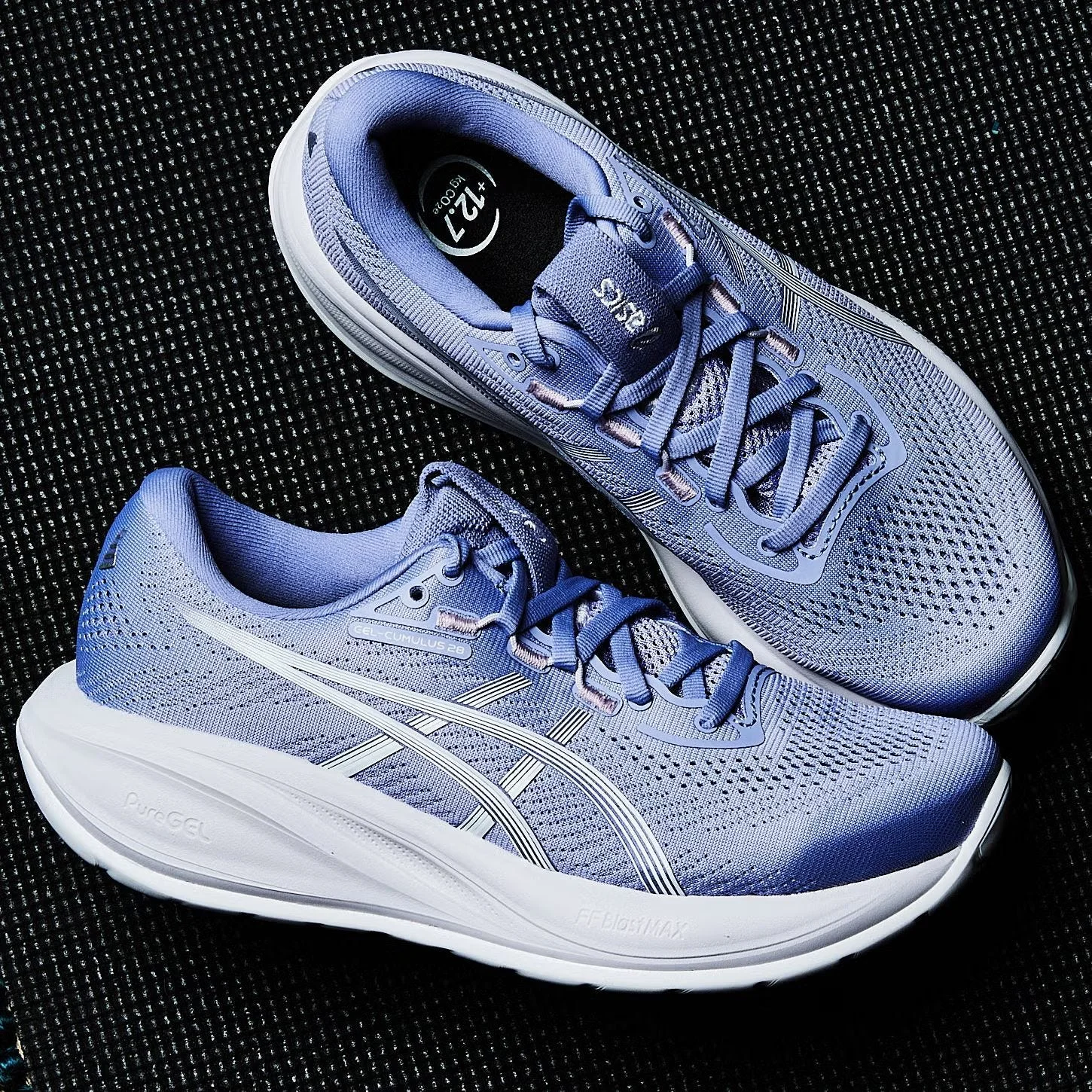
If you spend your days logging miles on pavement like a morning walk before work or a weekend errand marathon that somehow turns into six miles, or even a trip to Disney, you need a shoe that holds up without making your feet feel like they’ve been through something. The Asics Gel-Cumulus 28 is that shoe. You also want a shoe that doesn’t scream “running shoe.” You want a neutral-looking trainer with real chops under the hood. (Pro tip: check out the Arctic Blue color.)
The stack is generous without being spongy and making you feel like you’re pounding sand. Asics loaded this one with FF Blast+ foam throughout the midsole, which means you get some good return instead of a sink-into-it feeling that kills your momentum (and your calves) on longer walks. The gel cushioning in the heel takes the edge off hard landings, especially on concrete or stone, where your tendons and muscles really feel it.
The fit is worth calling out. The upper is structured but breathable, and the toebox gives your foot room to spread naturally as you step, which is something that matters a lot when you're walking versus running, since your gait mechanics are different and your foot needs more lateral real estate. The heel counter keeps things locked in without biting.
At around $145, it sits at a reasonable price point for a shoe that will log serious mileage before it needs replacing. Whether you’re a dedicated walker or a runner who wants a recovery day shoe that does double duty, the Cumulus 28 is a fabulous option.
Shop Men’s at asics.com|Shop Women’s at asics.com
Pros
- Max cushion feels great
- Roomy toebox
Cons
- Not the best traction on wet surfaces
| Weight | 9.6 oz (M), 7.7 oz (W) |
| Drop | 6 mm |
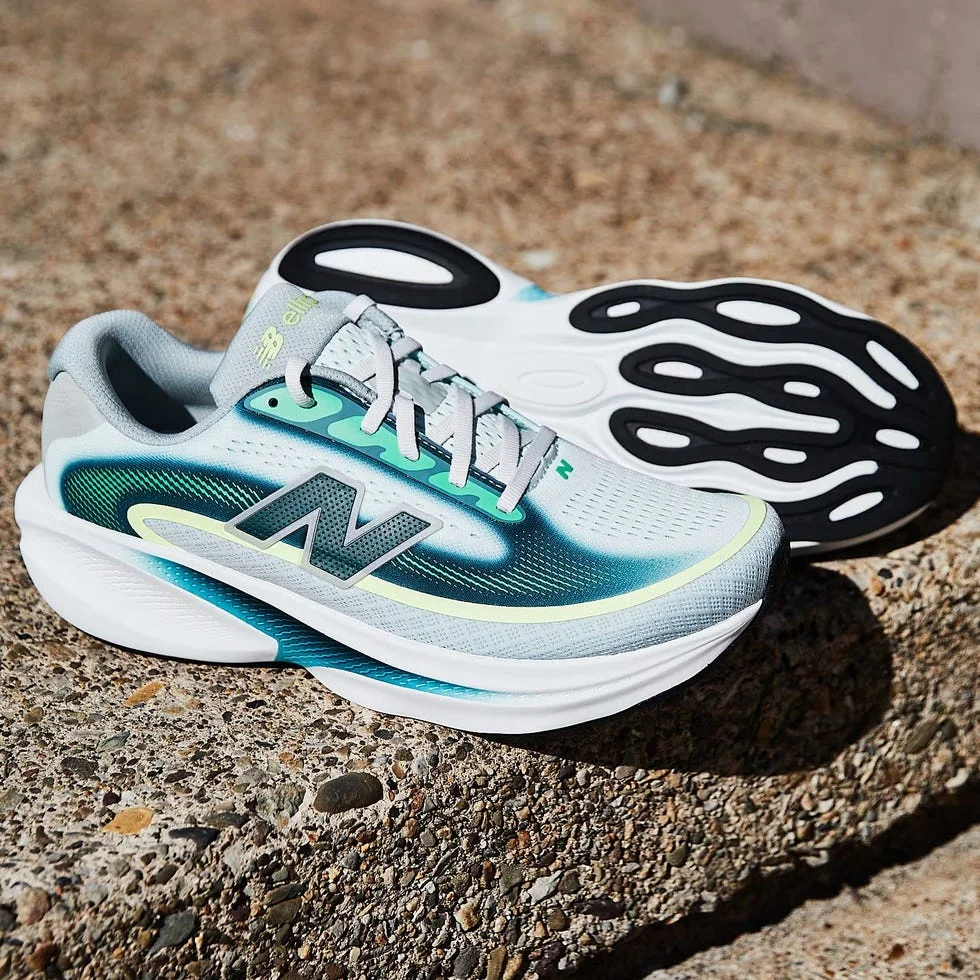
The New Balance Ellipse is a solid choice for walkers seeking comfort and support. Its cushioned midsole absorbs impact effectively, reducing fatigue on longer walks and protecting joints from repetitive stress. Wear tester Laura Parks describes the cushioning as “plush,” noting she could feel her foot “sinking into the cushion and molding around [it] while simultaneously still feeling the ground.”
The Ellipse features a roomy toebox that allows natural toe splay. Parks, who typically sizes up in running shoes due to wide feet, found she could wear her true size.
Its breathable upper keeps feet cool and dry, while the durable outsole provides reliable traction on paved surfaces and fair-weather conditions.
New Balance’s reputation for quality construction means the Ellipse holds up well over time, making it a cost-effective investment for regular walkers. Lightweight without sacrificing stability, it strikes a practical balance between performance and everyday wearability. As Parks puts it, it’s a shoe she “would purchase with my own money” — high praise from someone who has tested plenty of the competition. And white NB shoes are always a classic.
Shop Men’s at newbalance.com|Shop Women’s at newbalance.com
Pros
- Turned out collar is very comfortable
- Improved upper on new model is more breathable
- Flexible and spacious for uphill training
Cons
- Traction could be improved
Key Specs
| Weight | 10 oz (M), 8.3 oz (W) |
| Drop | 8 mm |
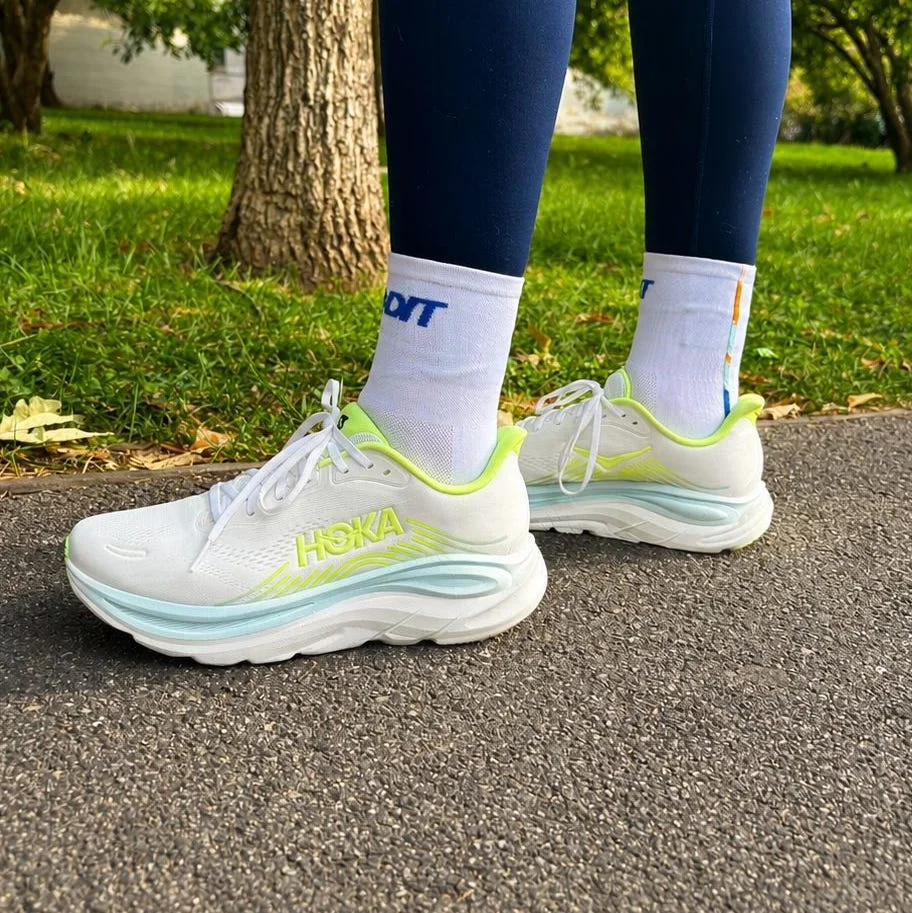
Because I run ultras with a ton of elevation and incline work, I spend a lot of my walking downtime hitting hills and doing incline walking on the treadmill to strengthen those muscles (and my lungs). The Clifton 11 almost feels purpose built for hilly areas and incline walking on the treadmill thanks to the roomy toebox, flexible forefoot, and easily adjustable lacing system. If you live in a hilly area, are a treadmill fan, or planning on vacationing somewhere with hills, this shoe will be your bestie.
The rocker profile and stack is basically unchanged from the Clifton 10s, so you know that it has a great natural motion feel to walking on flat ground or tackling hills and stairs. The midsole gives you a great combination of cushioning, responsiveness, and movement that lets you hit your highest step counts without having your feet slowly kill you. And not for anything, it also comes in one of the hottest nature-inspired color themes of the year, with their iterations being named “Barley Flour,” for men, and “Pink Opal,” for women, which keeps it current and fresh feeling.
Shop Men’s on hoka.com|Shop Women’s on hoka.com
Hoka Clifton 11 Walking Shoe Review
Salomon Aero Blaze 3 GRVL
Salomon Aero Blaze 3 GRVL
Pros
- Great grip on trail and messy floors
- Good for walking and standing long hours
- Gorpcore is still going hard, and these are so cute
Cons
- Runs a bit large
Key Specs
| Weight | 10 oz (M), 8 oz (W) |
| Drop | 8 mm |
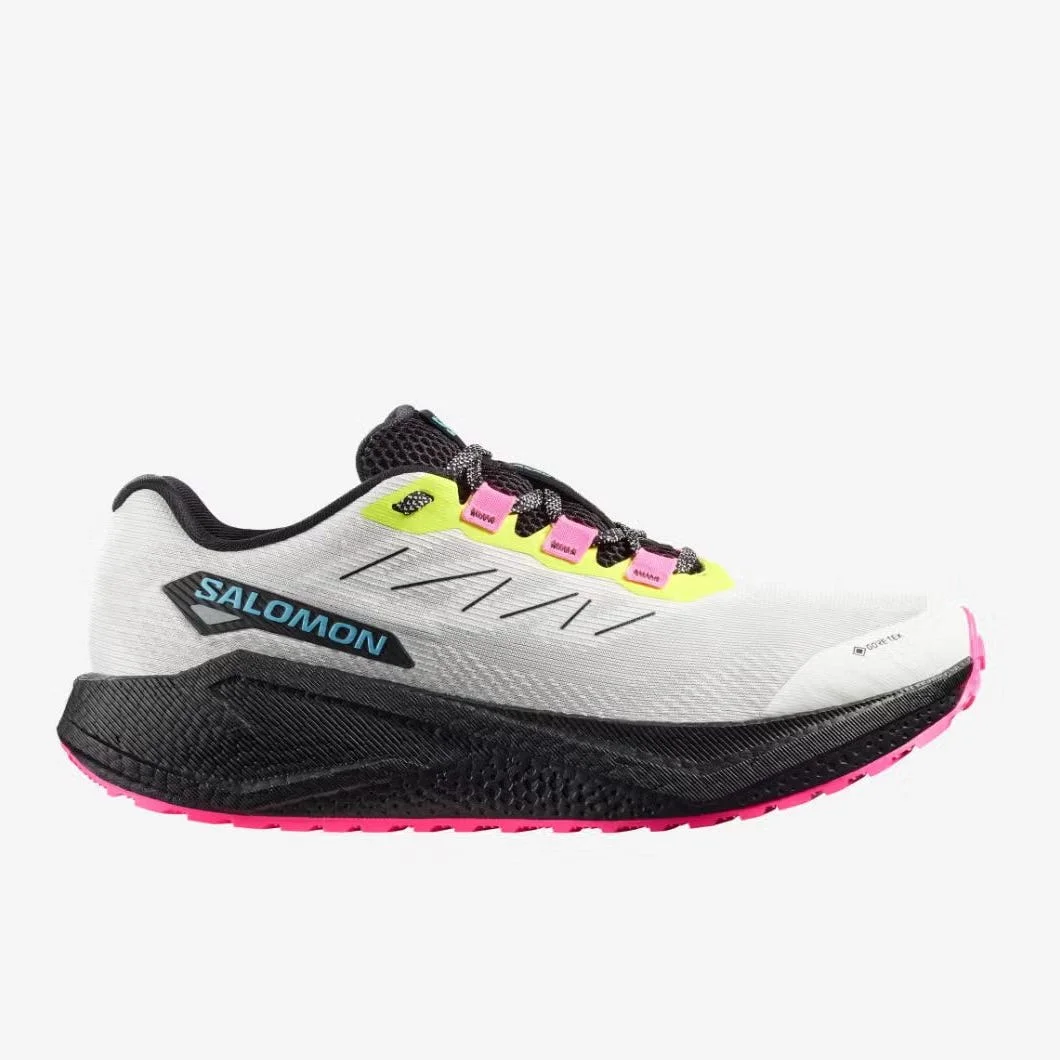
One of our testers works per diem as a New York City emergency department nurse, and swears by these shoes for their comfort, grip, and how easily things wipe off of them thanks to their waterproof Gore-Tex upper. She’s not the only one, as she notes that several of her compatriots in the hospital choose these for the exact same reason.
I’ve gotten to test them indoors, outdoors, and on gravel and groomed trails, and I can tell you that they are wonderful for long days with inclement weather, mud, and over hard gravel surfaces. They’re waterproof which means they can be a bit warm, but if you’re mucking though it, you’ll be glad for it. They have shallow lugs for grip, at 2.5 millimeters, so they don’t feel like you’re walking in cleats, but they support you in mud. And the midsole is soft without being mushy, with a protective sole.
Shop Men’s at salomon.com|Shop Women’s at salomon.com
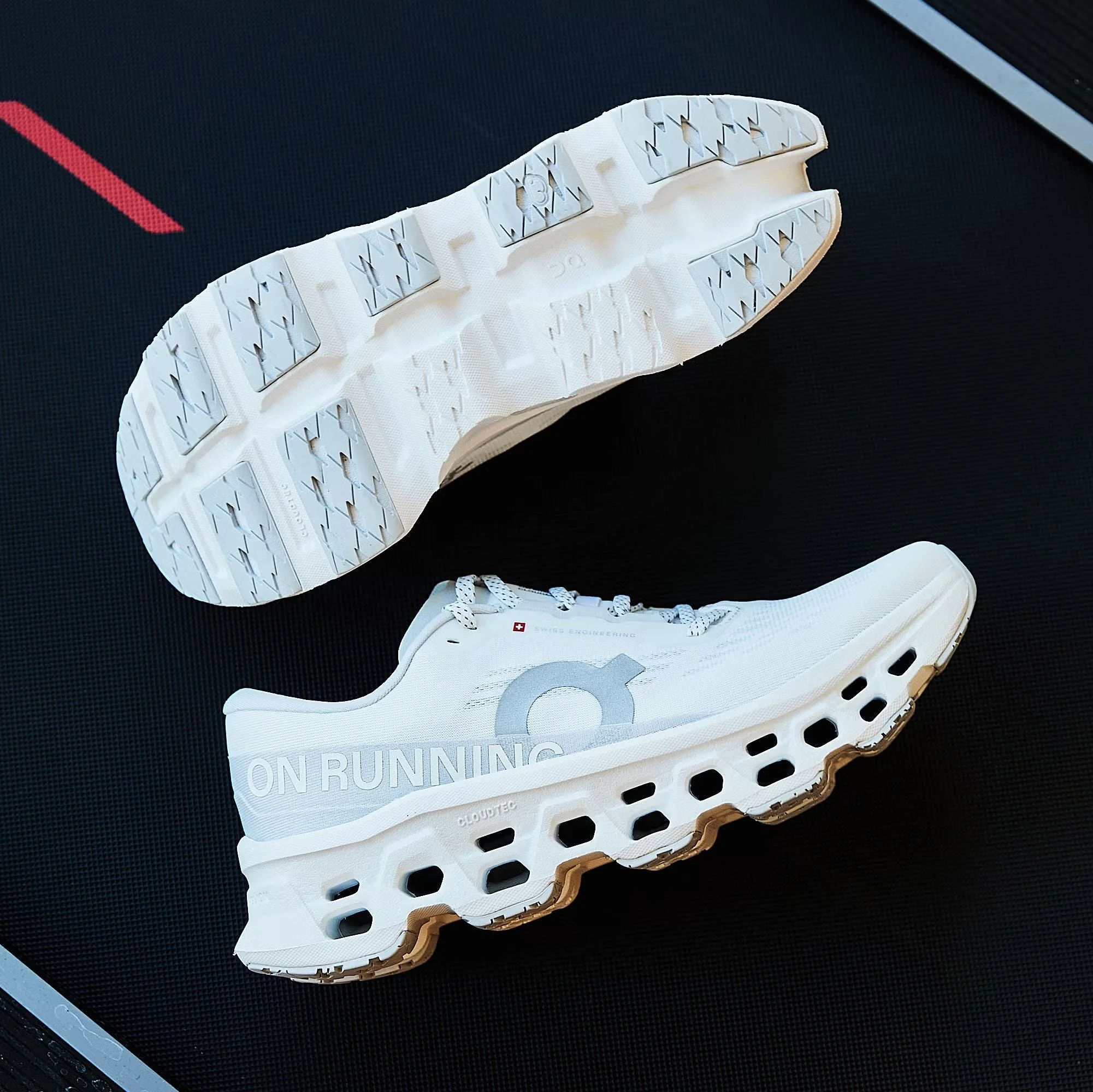
On Cloudmonster 3
Pros
- Firm underfoot but plenty of cushion for comfort
- Even footing on uneven surfaces
- Rocker profile
Cons
- Heel collar could be a bit softer
Key Specs
| Weight | 10.4 oz (M), 8.5 oz (W) |
| Drop | 6 mm |
We included a special category on this list because Senior Features Editor Pavlína Černá put the On Cloudmonster 3 through high mileage: walking for 75K over the course of 13-plus hours in the Czech countryside.
Out of all the shoes she tested, which included the Nike Vomero Plus and Brooks Glycerin 23, Černá chose the Cloudmonster 3. The shoe’s CloudTec pods helped cushion her 103,178 steps, while the toebox provided plenty of toe room for mid-march swelling.
Shop Men’s at on.com| Shop Women’s at on.com
Pros
- Bouncy, plush midsole foam
- Soft, padded, breathable upper
Cons
- Narrower than previous Bondi
Key Specs
| Weight | 10.7 oz (M), 8.8 oz (W) |
| Drop | 5 mm |
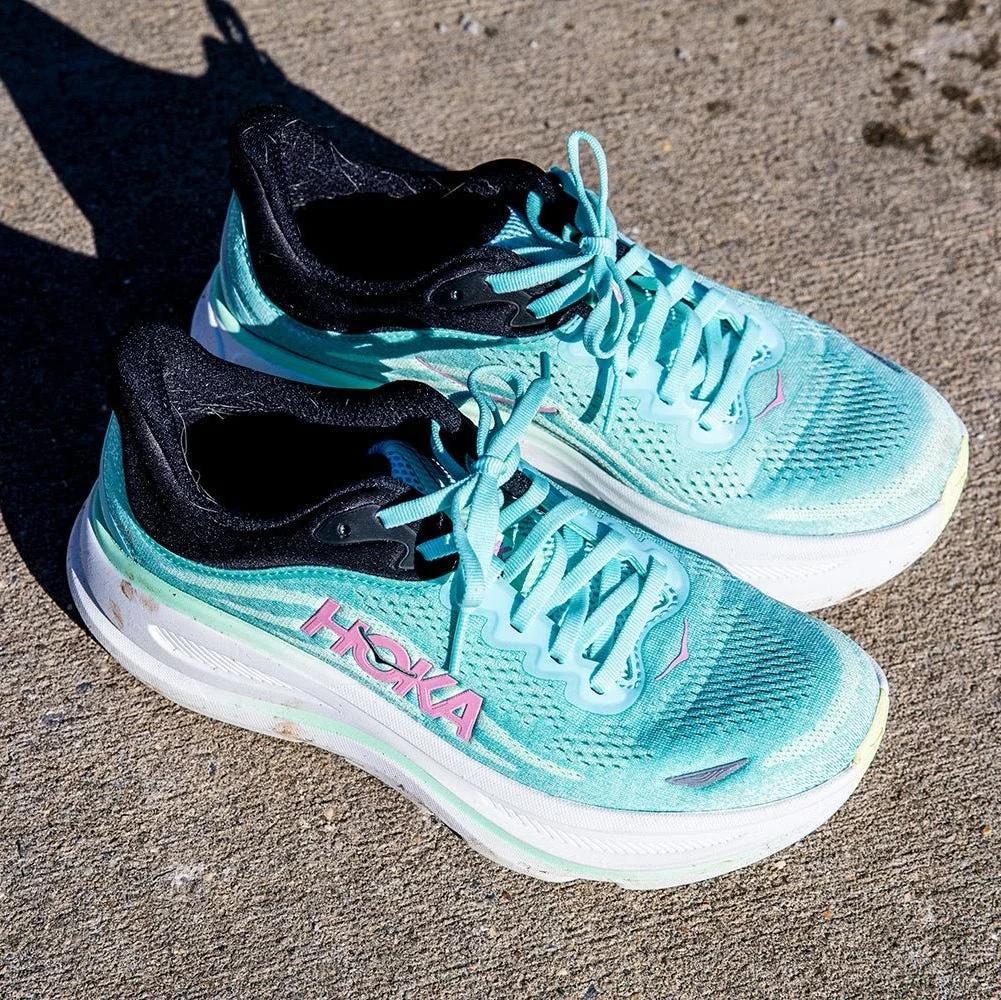
Speaking of the Clifton, if there’s one shoe that screams Hoka, it’s the Bondi. The trainer is quintessentially Hoka for its max-cushioning and soft interior. The Bondi 8 came out three years ago, so we expected a major makeover with the Bondi 9. The latest version is 10 mm thicker than its predecessor (the men’s Bondi 8 had a 33mm stack height). Though the Bondi 9 towers over previous iterations, one thing the Hoka team wanted to change was its “billowiness.” This shoe has a sleeker, more refined look compared to past Bondis.
Our run/walkers found the shoe supremely bouncy, making their interval training go a smidge faster than planned. The Bondi 9 is ideal for brisk walkers who need some extra cushioning to pad their jaunty bounce when they’re impatient to get wherever they need to go.
Shop Men’s at hoka.com|Shop Women’s at hoka.com
lululemon Beyondfeel

Pros
- Specifically designed for women’s feet
- Firm, supportive cushioning for long walks
Cons
- May be too stiff and heavy for some
Key Specs
| Weight | 10.5 oz (M), 8.6 oz (W) |
| Drop | 10 mm (M), 9 mm (W) |
The Beyondfeel was a part of lululemon’s Further kit. Further was an ultra that took place March 2024 in Lake Cahuilla in La Quinta, California. Ten women participated in this grueling event that was the perfect breeding ground for gear testing. And with six days trekking on a looped course, culminating 2,000-plus miles, you can bet they were walking for a few stretches.
The Beyondfeel has tiny details that make it specific to men and women. “The oval-shaped heel clips, found on both sides of the rearfoot, are designed uniquely for him and her. (The men’s clips are slightly longer, while the women’s clips are slightly higher.),” said Simon Atkins, lululemon’s senior vice president of footwear. “All these differences are being tuned specifically for each gender.”
The shoe has firmer cushioning, making it ideal for long walks and days when you’re constantly on your feet. They also dry the fastest of any I’ve tested on this list. I wore them to Cedar Point, where they got soaked, and in no time at all, I was comfortable again because of how fast the upper dries off.
Shop Men’s at lululemon.com|Shop Women’s at lululemon.com
Brooks Adrenaline GTS 25

Pros
- More cushioning underfoot
- Lower offset for more balanced ride
- Lightweight and responsive nitrogen-infused foam
Cons
- Less of a roll compared to other trainers
- Testers had multiple issues with lace length and tightening

Features at a Glance
| Weight | 10.6 oz (M), 9. oz (W) |
| Drop | 10 mm |
The Brooks Adrenaline GTS—the brand’s moderate stability shoe—is even cushier. The Adrenaline GTS 25 has 3mm of nitrogen-infused DNA Loft v3 foam added to the forefoot and 1mm added to the heel. This iteration has a lower stack height at 10mm, instead of 12mm, making the cushioning and ride feel more balanced.
“The Adrenaline GTS 25 strikes an impressive balance when it comes to cushioning—providing just the right amount of softness and support without going overboard,” said tester Don Kuntzman. “Coming from a background of running in zero-drop, minimalist, or barefoot-style shoes—which I still appreciate for their natural feel and low profile—I was pleasantly surprised by how much I enjoyed the Adrenaline 25. What sets this model apart is that it delivers cushioning where it’s needed most, particularly in the heel and midfoot, while still maintaining a sense of connection with the ground.”
Brooks’s stability support feature, the guide rails system, adds extra-firm foam on either side of your heel to encourage a fully aligned stride, which is great for walking, too.
Shop Men’s at brooksrunning.com|Shop Women’s at brooksrunning.com
Brooks Adrenaline GTS 25 review
Diadora Nucleo 2

Pros
- Great grip, even on slippery surfaces
- Hugs the foot without feeling constrained or tight
Cons
- Tongue can slip a bit after several miles
Features at a Glance
| Weight | 9.8 oz (M) 7.7 oz (W) |
| Drop | 5 mm |
The Diadora Nucleo 2 is a light-stability shoe that’s a truly solid walking option, offering a cushioned yet relatively firm ride that feels stable and supportive for everyday use. The Anima foam midsole provides good shock absorption and a mild amount of responsiveness while the broad platform and structured upper enhance balance during longer periods on your feet, making it well-suited to walking, errands, and clinic or work days.
“The Diadora Nucleo 2 was love at first step for me,” said shoe tester Michelle Garges. “They felt responsive, stable, yet comfortable. Recent models I’ve tested have had—in my opinion—an overly wide base with an exorbitant amount of foam [but that isn’t the case with the Nucleo 2].”
Because of the density of the foam and breathable upper, this is our top pick for long days on concrete paths like trips to Disney or our nation’s Capital.
Shop Men’s at diadora.com|Shop Women’s at diadora.com
What to Consider
Walking may be considered a low-impact activity, but that doesn’t mean you’re not expending energy, getting your heart rate up, and, sometimes, working up a sweat. Finding the right walking shoes is essential, especially since it still puts stress and pressure on your feet and legs. Follow these shoe-picking tips so your walks can be more enjoyable.
FAQs
When should I wear walking shoes?
Finding a dependable pair of shoes—the multipurpose ones that you wear for standing all day at work, running errands, traveling—can change your life. Think about it: because of gravity’s pull, your feet are putting in a lot of work standing still and when in motion.
The padding of a good pair of shoes can help you feel light and supported. Just remember to rotate your shoes out at least once a year. Just like running shoes, midsole foam wears down, which decreases cushioning.
Do trail shoes make good walking shoes?
Because trail shoes are specifically designed for durability and gnarly terrain, we wouldn’t recommend them for an everyday walker. Trail shoes tend to be stiffer and heavier due to thicker rubber outsoles and lugs that help you get better traction on dirt and rocks. Some shoes also have built-in rock plates to keep roots and debris from poking up into your feet, which adds to their weight and stiffness.
We recommend these for long hikes, but not as your go-to walking shoe, especially if your daily walk takes you across city sidewalks or paved suburbia.
What is shoe “drop?”
Drop refers to the difference between the height of the heel and the forefoot in a pair of shoes. Shoe companies make the heel taller than the forefoot to cushion it as you touch down. A taller heel also minimizes how much energy and effort you use to take each step, reducing fatigue and allowing you to walk for longer distances. Most walking and running shoes have a drop somewhere between 6mm and 10mm.

However, by demanding less from your feet than a totally flat shoe, shoes with high drop can mask deficits in strength and flexibility that can lead to injury if left unchecked. For that reason, brands like Hoka and Altra make specialty shoes with little or no drop to help runners build strength in their feet. If that sounds like something you want to try, keep in mind that switching to zero-drop shoes comes with a bit of a learning curve. Don’t throw out your old shoes, and give yourself time to adjust.
You’ve most likely been running in shoes with 8 mm to 12 mm of drop your entire life, so progress gradually if you’re making the switch to low or no drop.
Become a Stronger Runner With These Exclusive Training Programs





Cat Bowen, senior editor of commerce; reviews, is a seasoned runner with more than 20 years of distance running experience, including dozens of marathons, half marathons, and even a few ultra marathons. For over a decade, she has tested parenting, fitness, home, and running gear and written in-depth guides to help readers with their next purchase. Holding multiple advanced degrees and currently studying kinesiology, Cat Bowen brings research-backed insight to all of her guides. Passionate about women’s health and neurodivergent inclusion, she advocates for closing research gaps and helping others—especially AudHD people—find joy in running and fitness.

Amanda Furrer, Editor, Running Reviews, studied journalism at NYU and writing at Emerson College. She has reviewed gear and covered other topics in the running space for almost 10 years. Since 2013, she has consecutively run the Boston Marathon. She also has a master’s degree in gastronomy from Boston University and was formerly a professional baker for two years before hanging up her apron.